Support independent and reliable information and inspiration
about the development of Nepal at €10, €20, €30 per month

Advertisement

WORK IN PROGRESS

  • Login
  • Register
SUBSCRIBE
NepalConnect
  • DIGEST
    • CURRENT AFFAIRS
    • DEVELOPMENT
    • DISCOVERY & TRAVEL
    • IN-DEPTH
  • FEATURES
  • LIBRARY
  • TRAVEL DESK
  • DIRECTORY
No Result
View All Result
  • DEVELOPMENT
  • CURRENT AFFAIRS
  • TRAVEL & DISCOVER
  • IN-DEPTH
NepalConnect
  • DIGEST
    • CURRENT AFFAIRS
    • DEVELOPMENT
    • DISCOVERY & TRAVEL
    • IN-DEPTH
  • FEATURES
  • LIBRARY
  • TRAVEL DESK
  • DIRECTORY
No Result
View All Result
NepalConnect
No Result
View All Result
Home Uncategorized FEATURES
Alcohols of Nepal: Spirits Steeped in Culture 

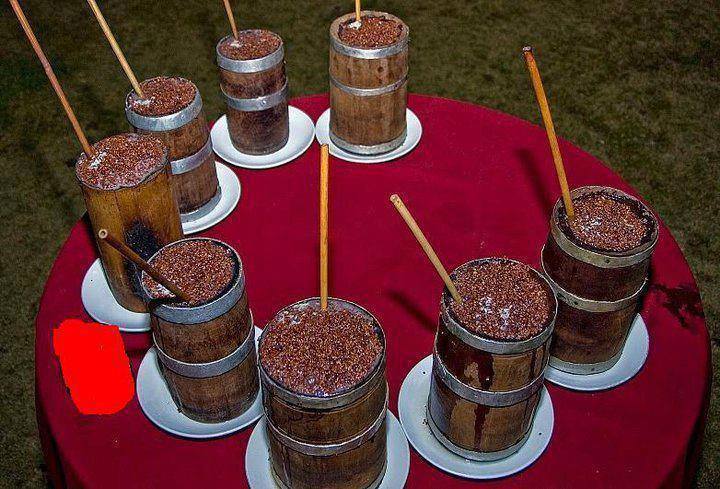
The Tongba drink. Photo: Wikimedia Commons

Alcohols of Nepal: Spirits Steeped in Culture 

Pratikshya Bhattaby Pratikshya Bhatta
January 5, 2026
in FEATURES
0

While alcohol is often associated with beer or whisky, Nepal has a diverse range of local beverages ingrained in its culture. From winter warmers like Jhaikhatte to summer refreshers like Chyang, each drink features a unique, homemade preparation method that results in distinctive flavours.  

Chhyang  
Chhyang is a Nepali and Tibetan alcoholic beverage prepared with rice, millet or barley. It is fermented with the help of a special starter named marcha that gives it a slightly sweet and tangy flavour, though with the low alcohol (usually 5 to 12 per cent). It is commonly served warm in metal or bamboo cups to be shared out of a large jug or bowl.   

It is popular in the Himalayan areas, among Sherpa, Tamang and Newar communities. People drink it during festivals such as Dashain, Tihar, and Losar. They also drink it during major aspects of life in the villages. It is a mark of respect and hospitality to serve Chhyang to guests.   

Tongba  

Tongba is a hot alcoholic beverage of eastern Nepal, particularly of the Limbu and Rai folk in the hills. It is brewed using fermented finger millet (kodo) and served in a distinct wooden or bamboo mug, called a ‘tongba’ or ‘doko’, and hence the name of the drink.   

This is made by pouring hot (but not boiling) water over the contents of fermented bran of millet grains in the mug. After a few minutes, the warm, milky fluid is sipped with a bamboo straw fitted with a small filter at the end, which prevents the grains.  

The drink is then taken, and additional hot water is poured into the same grains, enabling the same mug to be refilled several times, coming out weaker in taste and alcohol each time.   

Slightly sweet and earthy, Tongba has a very mild taste and is very soft, which gives it the ideal taste during cold mountain evenings. It has a low alcohol content of about 2-4 per cent, making it perfect for comfort and social bonding rather than intense intoxication.  

Raksi  

Raksi is a home-distilled spirit, the heart of the rural way of life and traditional celebrations. It is made by fermenting grains like millet, rice, or maize into a mash. It is then distilled in a simple still to produce a clear, strong liquor that can reach over 45 per cent alcohol, roughly as strong as whisky or vodka.   

As a homemade spirit, raksi varies in quality and flavour from village to village and household to household. Good raksi is clean, slightly sweet, and warm, with a grainy texture like sake or baijiu, while poor raksi can be harsh. 

Raksi is central to festivals, weddings, and religious ceremonies, offered to deities and ancestors during pujas and shared among guests at feasts. 

Aila   

Aila is one of the most powerful traditional spirits of the Newa community of Kathmandu Valley. Distilled from fermented rice or millet in clay or brass pots, it forms a clear, fiery liquor. It contains 60% alcohol, making it far stronger than ordinary alcohol.   

The locals have a customary method of testing good aila, as they roll a piece of cloth in it and burn it.  When it burns in a steady blue flame, it is said to be pure and strong. It is usually stored in special clay bottles and only shown on special occasions.   

Aila is a special dish of big parties, such as the Bhoye in the Newa culture, which is served in small clay pitchers of aesthetic designs. It is also distributed to the elders and visitors as a sign of respect and celebration.  

The beverage is not to be swallowed but sipped slowly since it is hard and potent when consumed at a rapid speed. Aila is now also available in modern bars in Kathmandu, where it is used as a base for local-style cocktails by mixologists.   

Jhaikhatte   

Jhaikhatte, a winter drink popular in the hills, is made by combining raksi (alcohol) with hot ghee and roasted rice. The drink gets its name from the sound the rice makes when it hits hot ghee (clarified butter), a sharp ‘jhhwaaaiii’. 

This thick, dense beverage is often sweetened with honey and pairs well with local snacks like sukuti (dried meat), roasted peanuts, or spicy potato dishes. 

Marpha Brandy   

Marpha brandy, a fruit brandy with approximately 42% alcohol content like Western brandy or whisky, is produced in the Mustang district village of Marpha. Local Thakali familiesferment and distil the village’s abundant apples, pears, and apricots to create this spirit. 

It is one of the popular beverages used to warm up during freezing nights, particularly among trekkers and locals in the high and dry valleys. It is frequently served in teahouses and guesthouses along the Annapurna and Mustang trekking paths.  

Marpha Brandy is now also available in bottles in Kathmandu and other cities as a local souvenir as well as a cocktail base in contemporary bars.  

Local alcohol is more than just a drink; it’s a taste of culture. It embodies sharing, celebration, resilience against harsh winters, and the preservation of traditions. Each sip narrates stories of farmers, festivals, families, mountains, and cherished memories.  

Pratikshya Bhatta is a junior editor at Nepal Connect.   

Tags: Cultureethnicity

Related Posts

Inside the Business of Gold Smuggling 

Inside the Business of Gold Smuggling 

December 12, 2025
The MCC Saga Continues: Deadlines, Delays, and Doubts 

The MCC Saga Continues: Deadlines, Delays, and Doubts 

December 2, 2025
The Raute Dilemma

The Raute Dilemma

August 31, 2025
Pratikshya Bhatta

Pratikshya Bhatta

Leave a Reply Cancel reply

Your email address will not be published. Required fields are marked *

Nepal Connect
SECTIONS
  • Digest
  • Features
  • Library
  • Travel Desk
  • Directory
NEPAL CONNECT
  • Mission
  • Colophon
  • Profile
  • Foundation
  • Executive organization
  • Ambassadors
  • Workshops
PARTICIPATION
  • Volunteer/ Intern
  • Research
  • Guest writer
  • Work With Us
  • Test Readers
  • Study Group
SUPPORT
  • Nepal Patrons
  • Project Support
  • Support Journalism
ACCOUNT
  • Sign Up
  • Subscribe
  • Manage My Account
  • Directory
  • Gift Subscriptions
  • Group Subscriptions
  • Gift Articles
  • Email Newsletters
  • Email Alerts
SECTIONS
  • Digest
  • Features
  • Library
  • Travel Desk
  • Directory
NEPAL CONNECT
  • About Nepal Connect
  • Mission & Vision
  • Editorial Standards
  • Team & Governance
Platform
GET INVOLVED
  • Register & Subscribe
  • Support Independent Journalism
  • Contribute Content
  • Become a Partner
Legal & contact
  • Contact
  • Terms & Conditions
  • Disclaimer
  • Privacy Policy
  • GDPR Statement
  • Cookie Policy
  • Colophon
ACCOUNT
  • Sign Up
  • Subscribe
  • Manage My Account
  • Gift Subscriptions
  • Group Subscriptions
  • Gift Articles
  • Email Newsletters
  • Email Alerts
  • Advertiser
  • Customer Service
  • Directory Deal
  • Contact Us
  • Terms & Policy
  • Site Map
FOLLOW US

Welcome Back!

Sign In with Facebook
Sign In with Google
OR

Login to your account below

Forgotten Password? Sign Up

Create New Account!

Sign Up with Facebook
Sign Up with Google
OR

Fill the forms below to register

All fields are required. Log In

Retrieve your password

Please enter your username or email address to reset your password.

Log In
  • Login
  • Sign Up
  • DIGEST
    • DEVELOPMENT
    • CURRENT AFFAIRS
    • DISCOVERY TRAVEL
    • IN-DEPTH
  • FEATURES
  • LIBRARY
  • TRAVEL DESK
  • DIRECTORY
  • MISSION
  • COLOPHON
  • PROFILE
    • Participation
    • Support
    • Accounts
    • Advertisers
    • Contacts us
  • FOUNDATION
  • EXECUTIVE ORGANIZATION
  • AMBASSADORS
  • WORKSHOPS
  • VOLUNTEER/ INTERN
  • RESEARCH
  • GUEST WRITER
  • WORK WITH US
  • TEST READERS

© 2026 JNews - Premium WordPress news & magazine theme by Jegtheme.

Are you sure want to unlock this post?
Unlock left : 0
Are you sure want to cancel subscription?