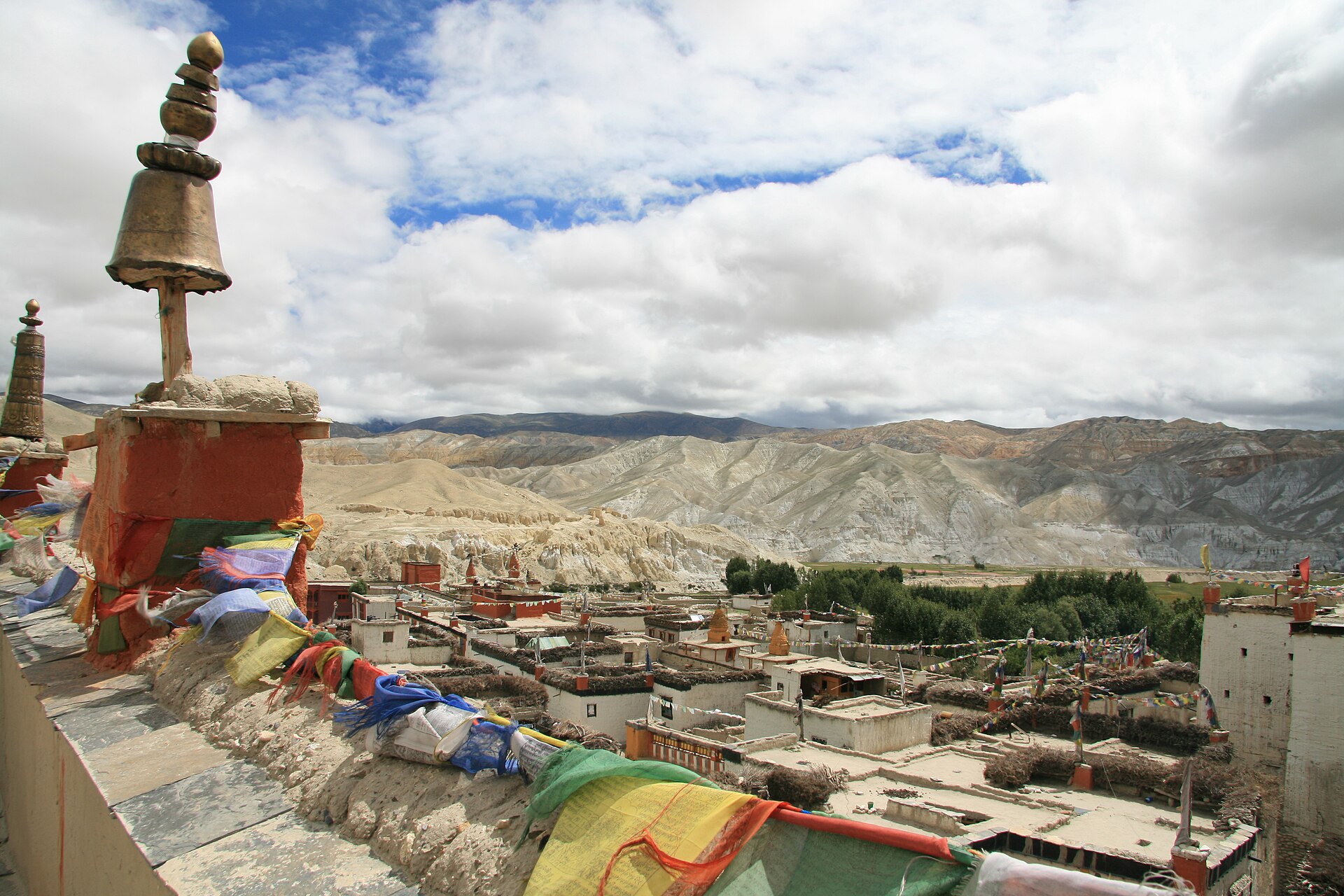
The government has decided to remove the long-standing flat permit fee for foreign trekkers entering Upper Mustang.
In the previous rule, every foreign national had to pay a fixed $500 for a 10-day permit, whether they stayed the entire period or not. An additional $50 was charged for each extra day beyond the initial 10 days. This rule has been replaced with a $50-per-day charge that matches the actual length of a visitor’s stay.
Upper Mustang has been classified as a restricted zone since 1992 because of its proximity to the Nepal–China border and earlier security concerns. Places such as Chhusang-3, Sangta-5, Lo Manthang and Lho Ghekar Damodarkunda required special permits, making travel both costly and bureaucratically difficult.
Stakeholders often described the old system as one that kept Mustang’s tourism “locked up” attractive yet financially out of reach for many visitors.
The data reflects this gap. Between July and November of the current fiscal year, Mustang received more than 41,000 foreign tourists. However, only 1,710 travelled beyond Jomsom and Muktinath into Upper Mustang. Many tour operators say high fees were a major deterrent, even though nearly 100,000 Indian pilgrims visit Muktinath annually.
This move is only the beginning. The government is also being urged to review restrictions in other regions. One of them is the rule that bars solo foreign trekkers from entering restricted zones, even with a licensed guide.
Nepal still maintains a patchwork of restricted areas across Himalayan districts bordering Tibet, where permit fees range from $20 a week to $500 for 10 days. Despite these barriers, trekking remains one of the strongest contributors to Nepal’s economy, supporting more than a million jobs.
For Upper Mustang, the new fee structure marks a long-awaited change. Locals hope it will bring more visitors to Lo Manthang, its cave settlements and the rugged landscapes of the region.


