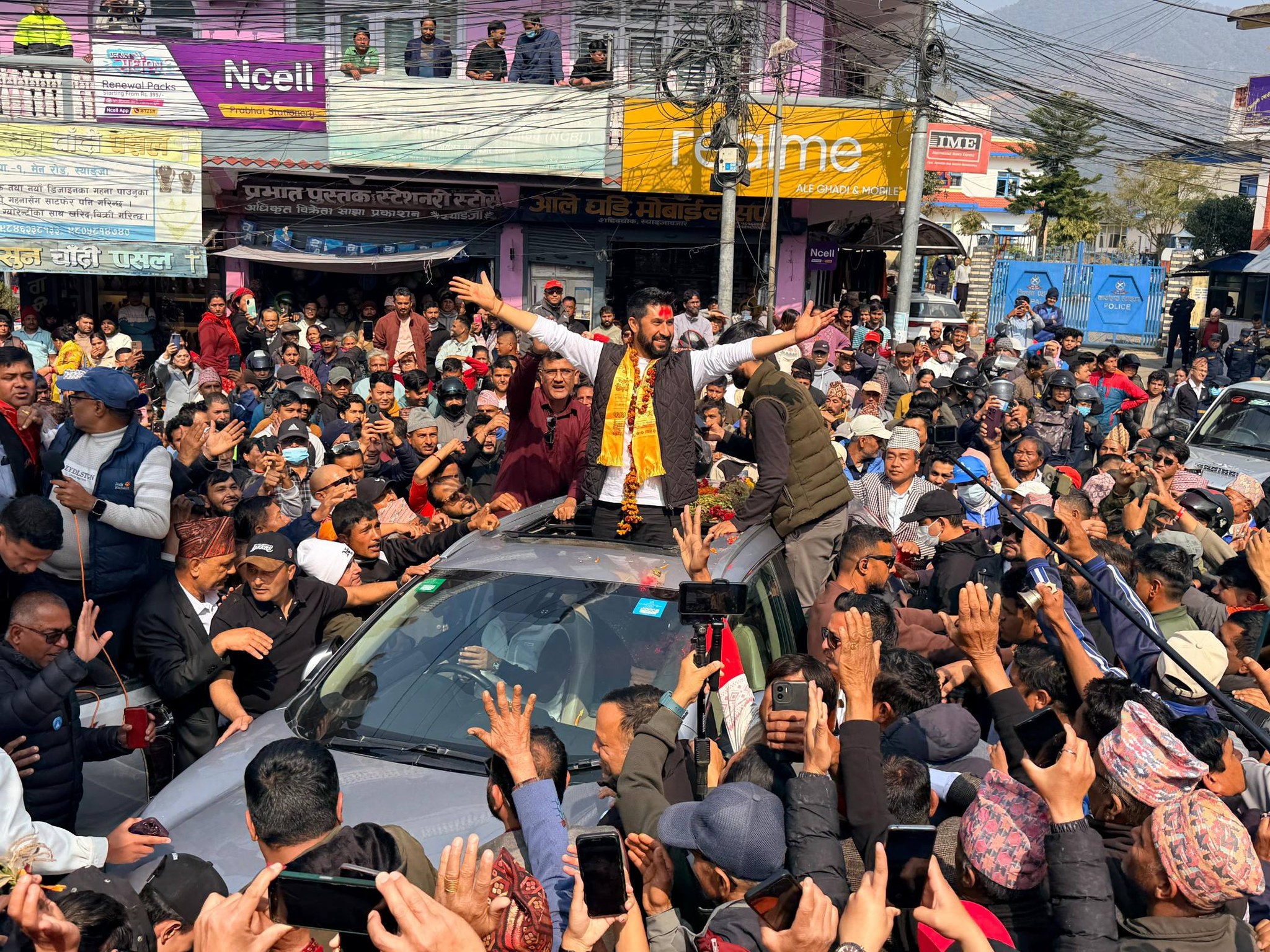

The landslide victory of the Rastriya Swatantra Party (RSP) in the recent election has sent shockwaves across the political circle. While some analysts see this as an expression of a public revolt towards the three-decade clientelist model of politics, others attribute the high-handedness of the Balen factor leading to an embarrassing defeat of the entire generation of political leaders and their stalwarts, who boasted of a robust organisational structure and an unflinching political legacy.
This author observes the Balen wave from a constructive Ideational Populism model. At the heart of this model is the idea that populism acts as a necessary democratic corrective that aims to fulfil the genuine representation gap where the elite have become detached from the people’s moral and material needs. Beyond normative judgements, this model allows for an objective analysis of populism’s impact on democracy.
Nonetheless, inherent in the election mandate is a renewed optimism of improved governance and service delivery under the enigmatic leadership of a former mayor of Kathmandu who ushered in crucial reforms in public education and health despite political meddling and bureaucratic resistance.
The victory of 59 members of parliament under 40 marks a generational shift in the history of Nepal’s parliament. Compare this to 2022; there was the domination of lawmakers under the 51-60 age group, with only 11 per cent of members under 40. More importantly, there is a representation of 13 Gen Z youths, 12 from RSP, who staged a massive public demonstration six months back demanding governance and institutional reforms. At a time when the formal representation of youths roughly 18-40 remains disproportionately low in national parliaments, this is a historic achievement.
Pragmatic Optimism
Unlike other times, there is a pragmatic reason to be hopeful. With a full-term five-year government in sight and an evolving civil society which has become further vigilant with the incorporation of young activists’ post-Gen-Z movement, the new government is under unprecedented public scrutiny and hence is unlikely to falter as its predecessors did.
A close look into RSP’s citizen contract reinforces the party’s commitment to deliver. Among the major highlights of the contract are the reinforcement of effective governance routines, opening up avenues of employment for young people, overhauling the economy to promote lasting and broad-based progress, digitalisation of administrative and organisational structures for timely service delivery and the development of public amenities such as healthcare, schooling and welfare programmes. Moreover, the 100 Days workplan specifies 100 precise, short-term tasks aimed at key achievements in fields like corruption checks and economic overhaul. Although these programmes sound clichéd, some influential RSP leaders have publicly stated that the people will definitely feel the presence of the government. Some of the ministerial berths that RSP took charge of in the previous cabinets and stories of governance reform serve as a firm basis of optimism. For instance, one of the education ministers from RSP, during his 19 days in office, ensured that the textbooks reached the schools of remote areas on time. While this issue persisted for a considerable period of time, it was resolved within a couple of weeks under his leadership. This example is a testament to the possibility of achieving milestones with the right intentions and genuine efforts, despite a limited time period. Be it the case of reform initiatives for depoliticising public education or issuing labour permits within an hour, RSP ministers have made sincere efforts to a large extent.
RSP Parliamentarians’ Impressive Performance
More importantly, the dynamic presence of RSP parliamentarians in the erstwhile parliament on policy deliberations and the strong academic and professional excellence of most of its members offer real hope. From demanding a calendar for parliamentary sessions to holding public officials accountable in parliamentary debates, RSP lawmakers have restored the waning stature of lawmakers in Nepal. Anyone can still revisit footage of RSP lawmakers’ speeches to understand not only the issues they raised but also how they presented them, with a great deal of research.
However, this is not to say that the party is free from controversies and scandals. Some influential party leaders have raised pertinent questions about the leadership’s openness to embracing dissenting views and have left the party. Whispers of financial misconduct during elections, though unverified, continue to linger. It is imperative that the party leadership move beyond deflection and confront these internal fractures.
The induction of a host of new parliamentarians in the lower house with no exposure to parliamentary practice demands proper orientation for these young leaders to perform as dynamic members of parliament. In this regard, it is welcoming to note the recently organised training and orientation programmes for its lawmakers on parliamentary roles and procedures.
In this scenario, the new government’s path ahead will be daunting. With the Karki Commission report already submitted to the incumbent PM, Sushila Karki, implementing its recommendations requires thoughtful leadership beyond a revenge mindset. It is likely that the defeated political forces will fish in troubled waters and even attempt to derail the political course.
Rethinking Leadership Style
Transitioning from an aggressive to a rather calm and composed leadership, Balen has an unprecedented opportunity to herald sweeping institutional reforms in the public and private sectors. The selection of competent ministers who embrace diversity and inclusion, and the development of a system of rewards and punishments for their performance, will be instrumental in reinvigorating the ailing bureaucratic and administrative system. As needed, the government can consider forming a high-level expert panel comprising competent advisers with a rich understanding of Nepal’s polity and governance system to make informed decisions on public policies and choices.
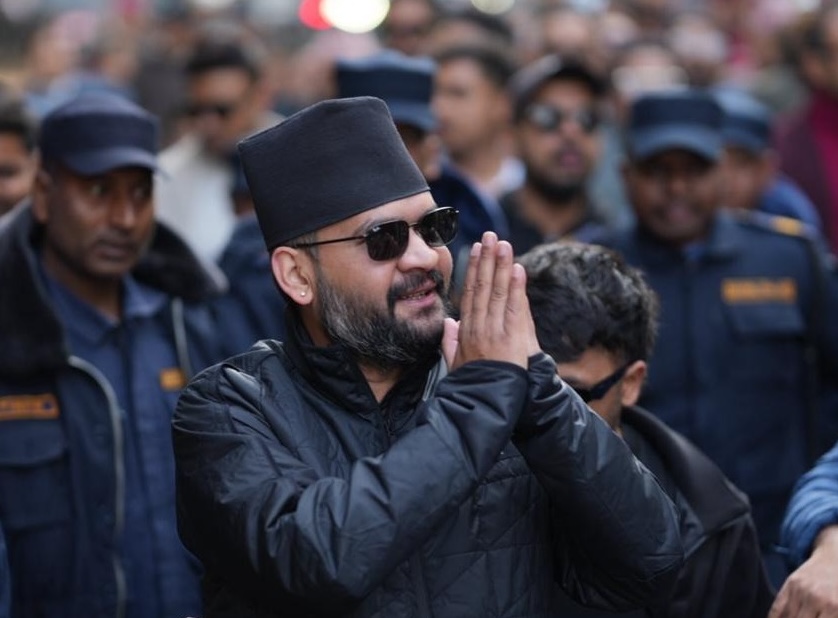
The new government can also become a role model government for the entire South Asian region. Assumption of the highest executive political office by a 35-year-old former mayor signals a generational transformation in Nepalese politics. Balen’s leadership is characterised by a transition from the ideological rhetoric of the past to a vision rooted in structural engineering and data-driven governance. During his tenure as Mayor of Kathmandu, he set a regional benchmark by introducing unprecedented levels of transparency, such as live-streaming municipal meetings and digitising public service delivery. His 9-point commitment, focusing on tangible results in education, health, and infrastructure, provides a clear roadmap for channelling youthful exuberance into disciplined, long-term national development. As Prime Minister, his success in scaling these reforms to a national level offers a blueprint for other South Asian countries struggling with systemic corruption and bureaucratic inefficiency.
An important point of departure will be some small positive steps rather than grandiose plans. Hassle-free citizenship and passport service, managed public transport, and digitalisation of land and other vital registration, to name a few. Digital governance and the removal of the middlemen who have long mediated between citizens and the state should serve as the cornerstone of this transformation.
By leveraging a comfortable majority, the RSP has the legislative power to depoliticise the civil service and implement structural changes. Lessons from Nepal’s political history in 1959 and 2017 show that the misuse of political mandates led to either authoritarian overreach or internal implosion.