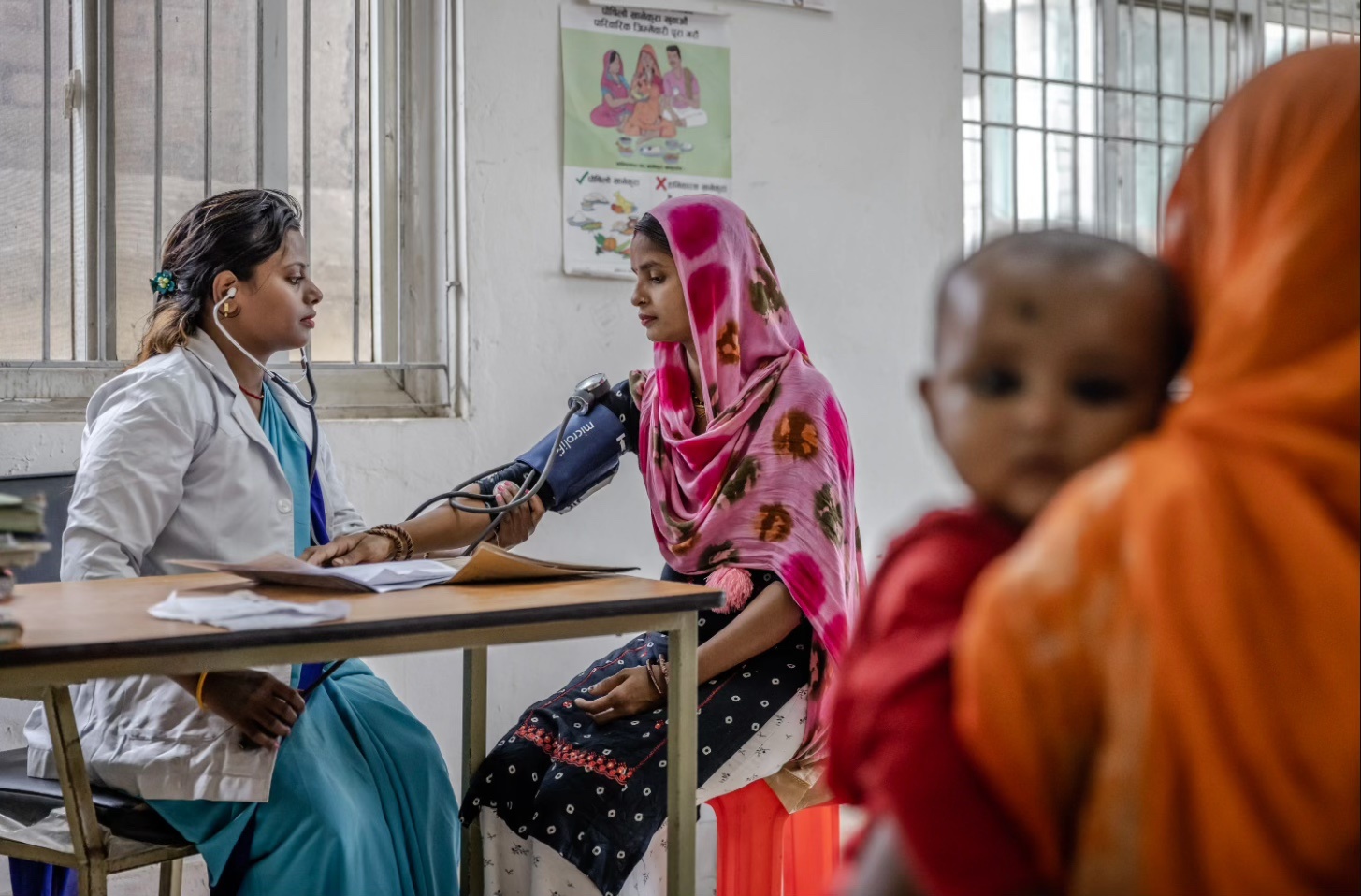

Women’s health in Nepal has travelled a long and complicated road—marked by legal victories, quiet resilience, and persistent contradictions. Over the past two decades, the country has taken some of South Asia’s most progressive steps in reproductive and sexual health. On paper, it appears to be a success story. In practice, the reality is far more layered.
For many Nepali women, reproductive health depends less on rights and more on access, awareness, and social pressure. Progress exists, but unevenly. Life-saving policies coexist with unsafe practices, and women continue to carry the physical and emotional cost of systemic gaps.
From Criminalisation to Constitutional Rights
Until the early 2000s, abortion in Nepal was a crime. Women, often young, economically disadvantaged, and desperate, were imprisoned or died from unsafe procedures. The legalisation of abortion in 2002 was more than policy reform; it marked a turning point for women’s bodily autonomy. For the first time, women could legally terminate an unwanted pregnancy without fear of prosecution.
The impact was immediate. Maternal mortality declined sharply, helping the nation meet global development targets ahead of schedule. In 2015, reproductive rights were further strengthened through constitutional recognition. Three years later, the Right to Safe Motherhood and Reproductive Health Act reaffirmed abortion as a fundamental right, expanded eligibility under specific circumstances, and committed the state to providing services free of cost.
Between 1996 and 2016, the maternal mortality ratio dropped from 539 deaths per 100,000 live births to 239. The legalisation of abortion is widely recognised as a key factor behind this decline. In the last fiscal year alone, 105,099 women terminated pregnancies through surgical or medical procedures at government-authorised facilities—procedures that would once have placed their lives at serious risk.
The Widening Access Gap
Despite legal guarantees and free services, access remains uneven. As of 2021, only 19.2 per cent of health facilities provided abortion care. Women in rural areas often travel long distances, navigate unfamiliar health systems, or turn to unsafe alternatives. Awareness remains low, especially among younger women and those with limited education. Many still believe abortion is illegal or fear stigma and mistreatment from health workers.
Contraceptive access presents an even more immediate challenge. Shortages of commonly used family planning methods, including injectables, implants, intrauterine devices, and pills, have been repeatedly reported across public health facilities. When contraception is unreliable, unintended pregnancies rise. When pregnancies are unintended, abortion often becomes a last resort rather than a choice.
Recent data reflects this pattern. Abortions have increased steadily over the past four years, rising by more than 30 per cent. While this does not automatically signal failure—safe abortions are far safer than forced motherhood—it raises questions about why many women continue to lack effective reproductive control.
For many, the issue is not unwillingness to prevent pregnancy but limited options. Nearly half of women who want to avoid pregnancy are not using modern contraception. Discontinuation rates remain high, often due to side effects, lack of follow-up care, or partner opposition. In this context, abortion becomes a symptom of deeper gaps in women’s health services.
When Choice Is Not Really Choice
Despite being illegal, sex-selective abortion persists, particularly in urban and semi-urban areas where diagnostic technologies are more accessible. Birth data shows a growing imbalance between boys and girls, beyond natural demographic patterns.
This trend reveals the limits of legal reform in confronting deeply rooted gender norms. Son preference is not new in Nepal, but modern medical technology has intensified its consequences. Women, often under family pressure, are pushed into repeated pregnancies until a son is conceived or into terminating pregnancies once a foetus is identified as female.
This is not empowerment. It is coercion presented as choice.
Women bear the consequences physically, emotionally, and socially. Repeated abortions increase health risks. The psychological toll of being pressured to terminate a pregnancy because of the foetus’s sex is immeasurable. Yet enforcement remains weak. Despite clear legal provisions and penalties, prosecutions are virtually non-existent.
Laws designed to protect women’s autonomy are being manipulated in ways that reinforce systemic gender discrimination.
Progress Worth Protecting
However, it is equally important not to overlook the achievements. Maternal health indicators have improved significantly with increase in institutional deliveries. Skilled birth attendants are more accessible than ever. Conversations around reproductive rights have become more visible, and younger generations of women are increasingly informed and vocal.
These gains are the result of sustained advocacy, policy reform, and the courage of women who demanded control over their bodies.
But progress remains fragile. Contraceptive shortages threaten to reverse reductions in maternal mortality. Unsafe abortions continue to put women’s lives at risk. Gender-biased practices undermine the meaning of reproductive choice.
The future of women’s health depends less on new legislation and more on implementation. Health facilities must be equipped with family planning commodities. Abortion services need to expand beyond urban centres, supported by trained providers and non-judgemental care. Awareness campaigns must reach women in languages they understand and without moralising their decisions.
Addressing son preference requires long-term social change, not just legal punishment. Women cannot be held responsible for gender imbalance when they are navigating deeply unequal family structures.
Women’s health should never be limited to survival. It is inseparable from dignity, agency, autonomy, and choice. Nepal has shown that progress is possible. The challenge now is ensuring these rights are felt not only in policy documents but also in clinics, homes, and bodies across the country.
Sudipa Mahato is a junior editor at Nepal Connect.