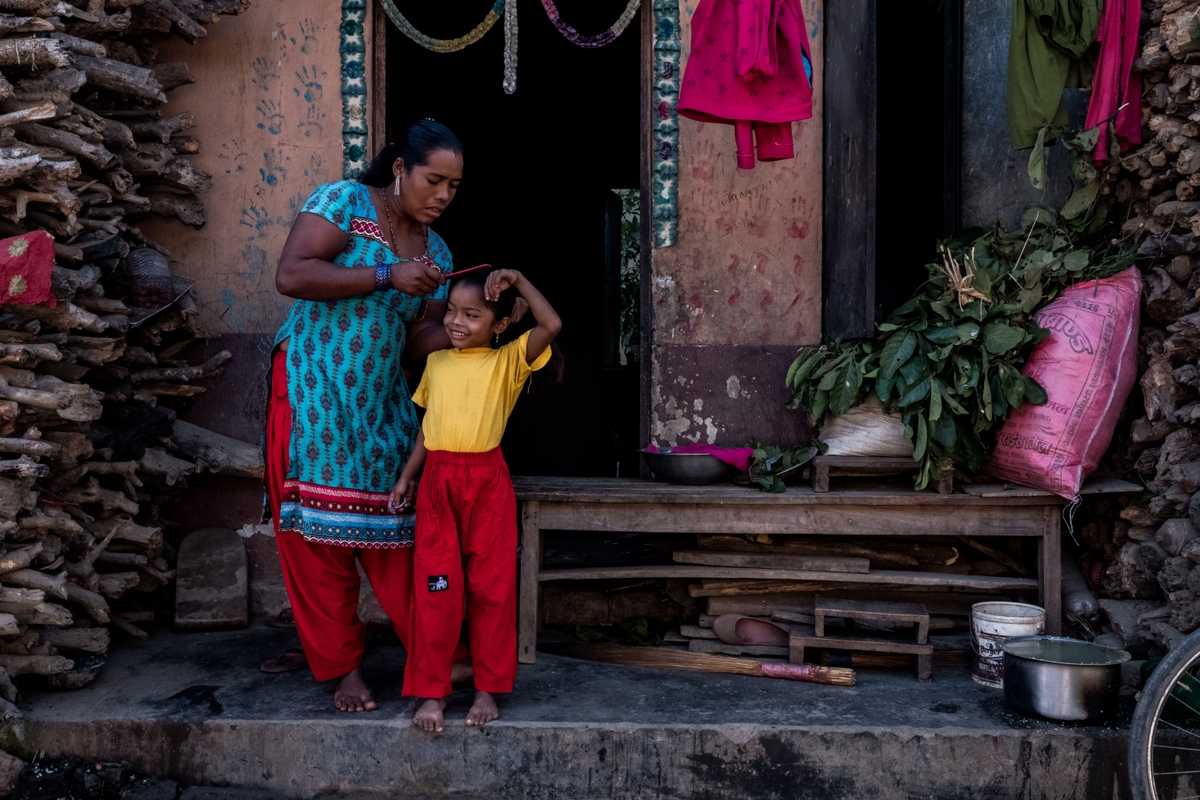

Caste-based discrimination has been criminalised in Nepal for more than two decades. On paper, the country has taken significant steps to outlaw untouchability and protect the rights of Dalits. Yet in practice, caste bias continues to surface in schools, religious spaces and everyday life.
In late January 2026, a viral video from far-western Nepal exposed how caste discrimination still appears even in places meant to promote equality. The footage shows Gajiram Sarki, a Dalit teacher at Baijnath Basic School in Kanchanpur, breaking down as he describes being excluded during a Saraswati Puja ceremony. While other teachers and students received tika and prasad directly, Sarki was given his separately on a leaf.
Sarki filed a complaint with the Nepal Teachers’ Federation in Krishnapur. The federation condemned the incident as an insult to the dignity of a teacher and called for legal action against the School Management Committee chairman, Sagar Bhandari. Although Bhandari later apologised publicly in front of students and parents, no charges were filed and he did not resign. Sarki eventually withdrew his complaint following the apology, but said he would not tolerate similar treatment in the future.
Discrimination in Everyday Life
Similar incidents continue to emerge across the country. In 2025, local media in Achham reported that Dalit students and a Dalit parents’ representative were made to sit on sal leaves during a Saraswati Puja ceremony.
In Siraha district this year, reports described a priest and local officials bulldozing the house of a Dalit couple to “purify” land for a religious ritual. In Sudurpaschim Province, upper-caste households reportedly received private water taps, while Dalit families relied on a shared well. In the Dolakha district, a separate funeral shed was constructed specifically for Dalits.
These cases highlight how caste prejudice continues to shape social relations, despite legal prohibitions.
The caste system in Nepal functions not only as a social identity but also as a deeply rooted hierarchy. Traditionally divided into Brahmin, Kshatriya, Vaishya, and Shudra categories, the system historically placed Dalits at the bottom. Although Nepal is now a secular republic, these attitudes remain embedded in many communities.
Legal Protections, Limited Enforcement
Nepal’s constitution and several laws prohibit caste discrimination. The 2011 Caste-Based Discrimination and Untouchability Act made such practices a punishable offence. However, enforcement remains weak, and many Dalit communities say these protections exist largely on paper.
Discrimination also affects access to justice and basic services. Dalits often report mistreatment by police, barriers to entering temples and community spaces, and strong social pressure against inter-caste marriage. Families who defy these norms can face violence or social exclusion.
One widely reported case involved a 13-year-old Dalit girl, Angira Pasi, who was raped by a 25-year-old man. Community members reportedly pressured her to marry the perpetrator rather than pursue legal action. She later died after facing violence in her husband’s household. Police initially declined to file a case and only acted after public scrutiny.
The economic consequences are also significant. Around 42 per cent of Dalits live below the national poverty line. Many remain concentrated in rural areas with limited access to education, healthcare, and employment opportunities. During crises such as the 2015 earthquake and the COVID-19 pandemic, Dalit communities were often among the most vulnerable and the last to receive assistance.
Calls for Action
Civil-society and international partners have been vocal about ending these abuses. In June 2025, the National Human Rights Commission urged all levels of government, political parties, and religious organisations to take impactful steps to end untouchability. They warned that discriminators should receive no special protection. At the UN’s latest rights review in early 2026, a coalition of Dalit NGOs and foreign governments pressed Kathmandu to strengthen enforcement of anti-caste laws and to teach anti-discrimination values in schools.
The solution lies in both awareness and accountability. The Nepalese government should establish national-level policies for their inclusion in the economy. These inclusions should move beyond the quota system to specific protections, provisions, and opportunities for Dalit families.
Ending these centuries-old practices will require sustained commitment from both institutions and society. Laws alone cannot dismantle discrimination unless they are backed by meaningful action on the ground.