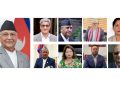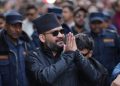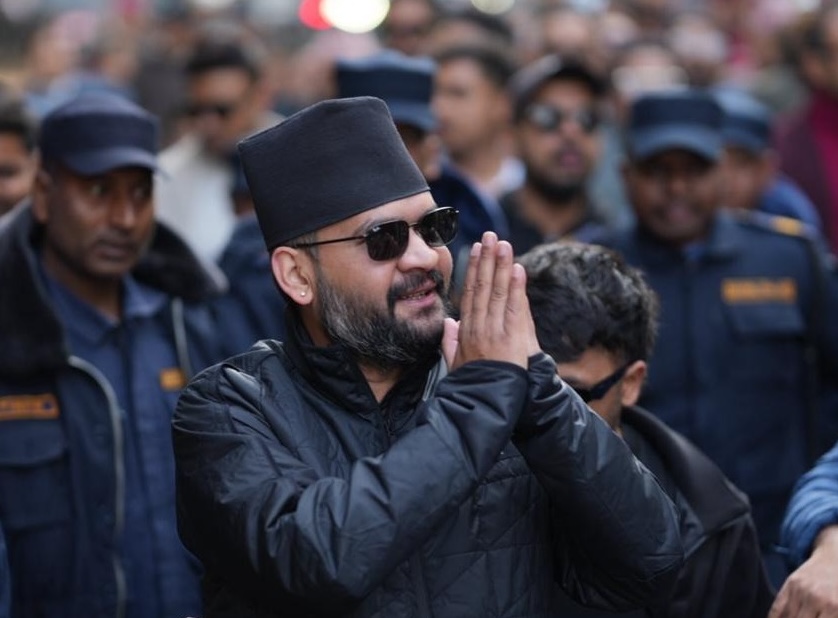

Balen Shah has officially taken his oath as one of the youngest prime ministers of Nepal. As of now, everyone knows who Balen Shah is, a young rapper, structural engineer, and PhD scholar. He also served as the mayor of the capital city of Nepal for 4 years. In coordination with his party, he has selected 14 cabinet ministers.
Finance Minister
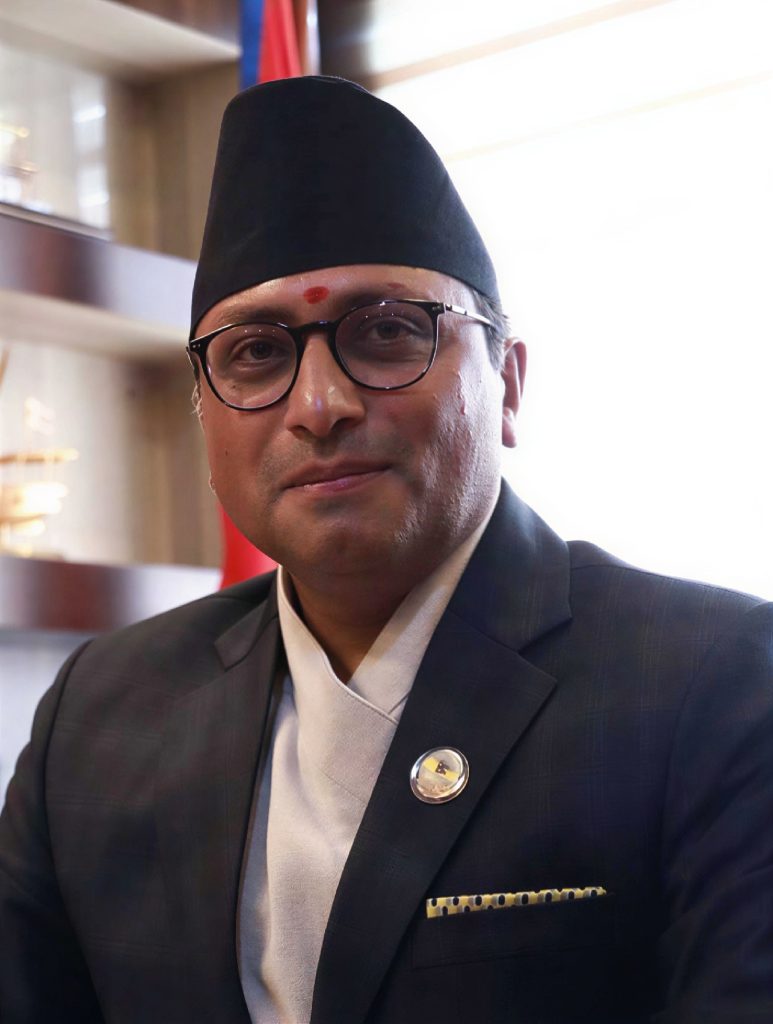
Swarnim Wagle is the new finance minister of Nepal. He is the former chief economic advisor at the UNDP regional bureau for Asia and the Pacific (RBAP) in New York, covering 36 countries. He has been working as an international development professional for more than 25 years, including as a senior economist at The World Bank in Washington, DC, and UNDP in New York, Hanoi, and Colombo. During his tenure, he and his party have set goals to increase annual growth by 7 per cent and raise per capita income above $3,000.
Foreign Minister
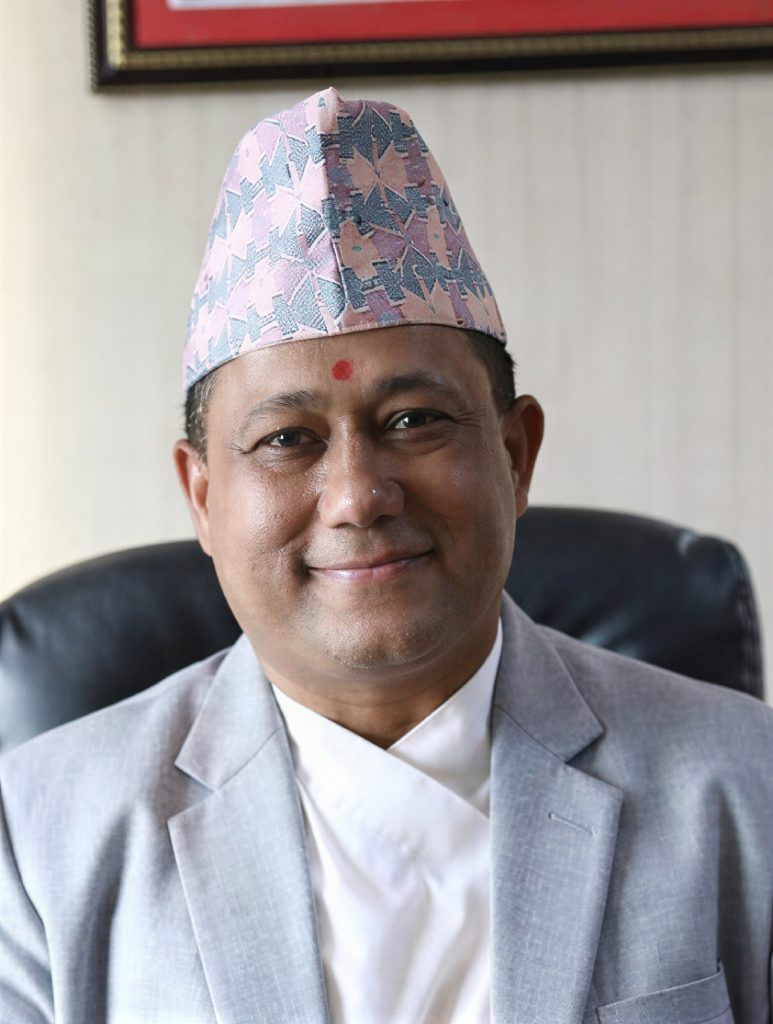
Sishir Khanal is the new foreign minister of Nepal. He completed his master’s degree in public policy from the University of Wisconsin-Madison in the US. Before entering politics, he worked with Teach For Nepal for about 7 years. Khanal also served as the education minister for 19 days in January 2013. Later, he served as head of the international relations department and as a member of the central secretariat of the Rastriya Swatantra Party (RSP). Khanal played a huge role with the negotiation team in bringing Shah into the Rastriya Swatantra Party.
Home Minister
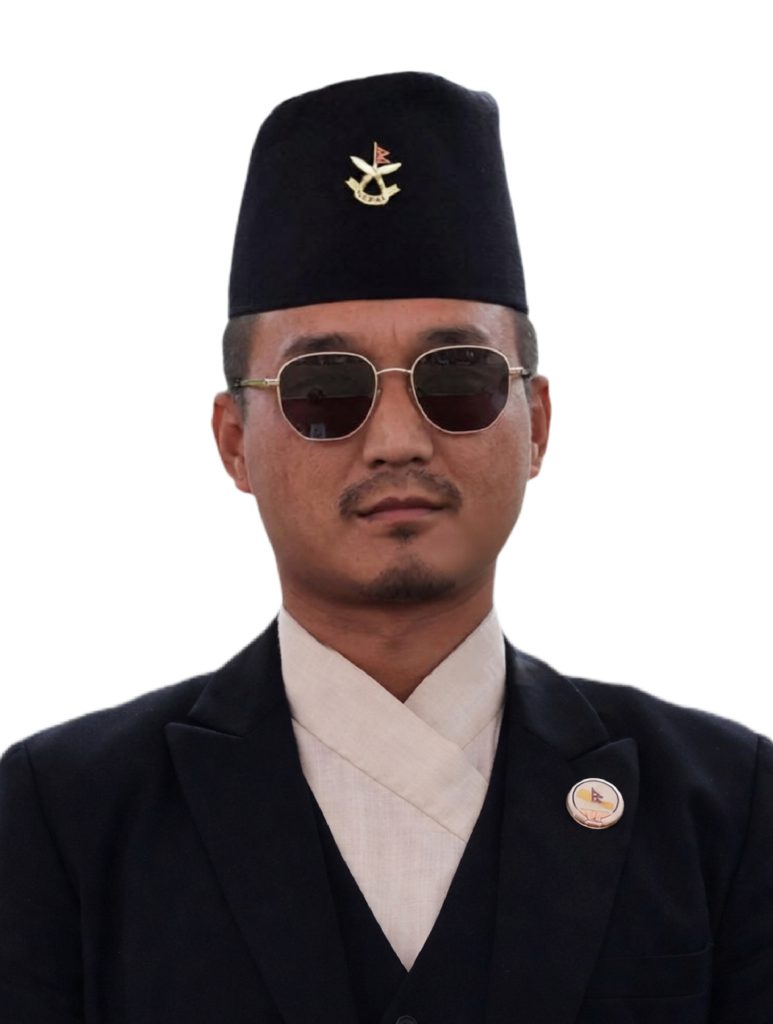
Sudan Gurung, who was also active during the Gen Z moment, is the home minister. He played an important role in the co-operation between the RSP chair Ravi Lamichane and then Kathmandu mayor Balen Shah. He is also the founder of an organisation called Hami Nepal, which provided rescue and relief during the 2015 earthquake. Following this appointment, he approved the arrest of former Prime Minister KP Sharma Oli and former Home Minister Ramesh Lekhak over their suspected involvement in the deadly crackdown during the protest.
Minister of Energy, Water Resources, and Irrigation
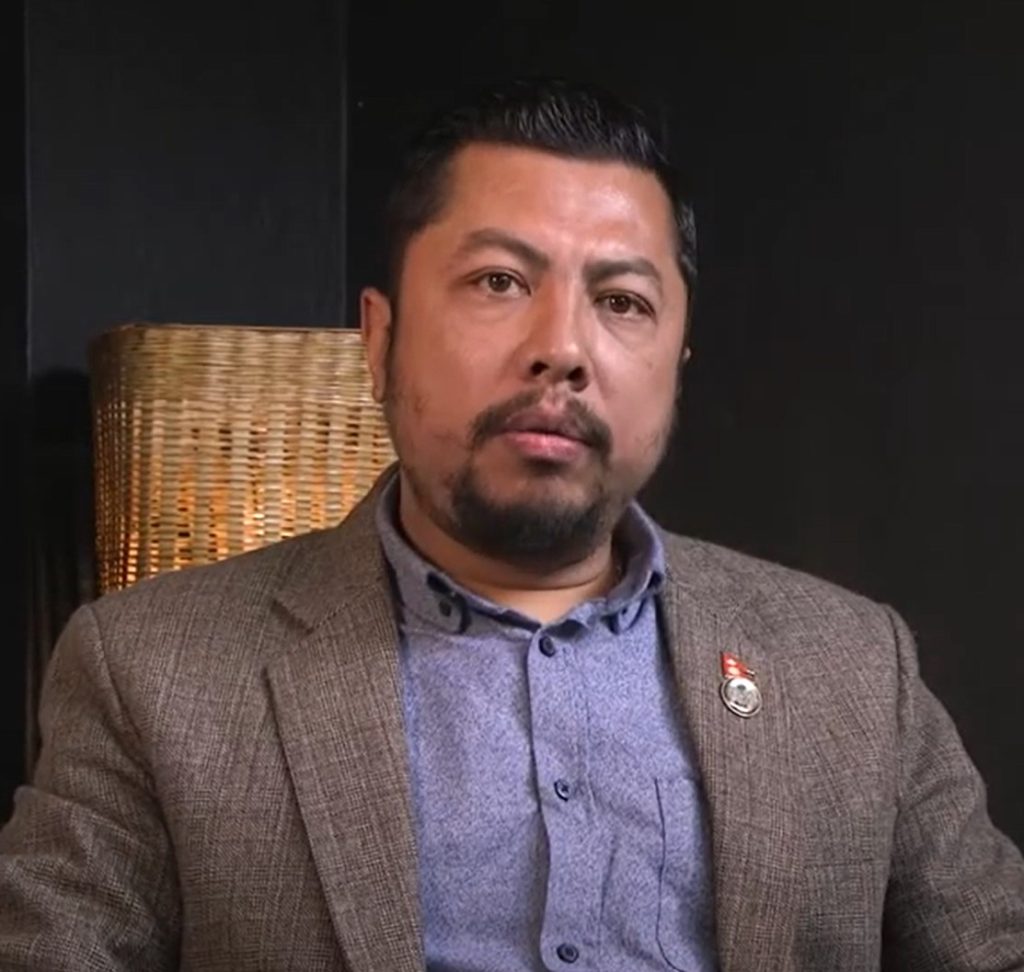
Biraj Bhakta Shrestha became the minister of energy, water resources, and irrigation. Previously, he had also served concisely as minister of youth and sports. He has a bachelor’s degree in business administration and started his career in hotel management and other development projects. During the 2015 earthquake, he was actively involved in social work. Later, he founded “Force Nepal” and led campaigns such as “One Tree – My responsibility”. After his appointment, Shrestha is working to make the nation self-reliant in the energy sector and to make the service transparent and people-oriented.
Minister of Physical Infrastructure and Urban Development
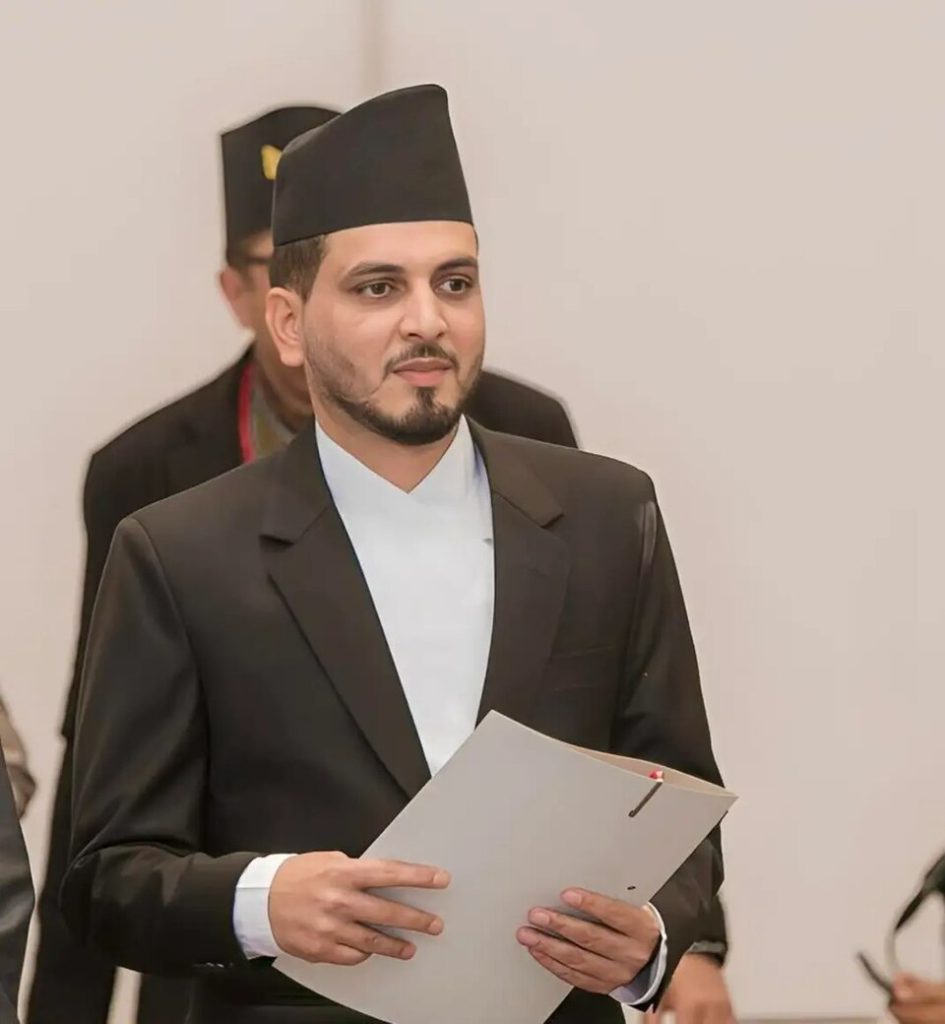
Sunil Lamsal has been appointed as the minister of physical infrastructure and urban development. He was elected as an MP from Rupandehi with 54,845 votes. During the second people’s moment, Lamsal actively participated as a former student union president at his college. He holds a degree in civil engineering from Lumbini Engineering College, a master’s degree in structural engineering from Neeti Minakshi Institute, and is pursuing his PhD in waste management at Tribhuvan University. Lamsal has worked as an infrastructure advisor in the Kathmandu mayor’s secretariat and was involved in waste management, urban discipline, and public property management.
Minister for Education, Science, and Technology
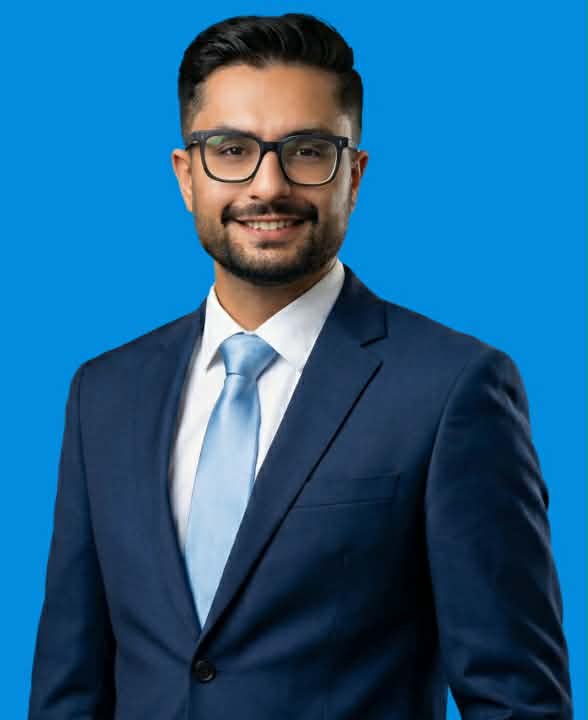
Sasmit Pokharel has been appointed as the minister of education, science, and technology. He completed his plus two in the United States and pursued his Bachelor of Laws degree from Kathmandu University. He started his political career through the Bibeksheel Sajha Party. He is currently a committee member and spokesperson for the Rastriya Swatantra Party. He had previously worked under Balen Shah’s leadership as an education expert advisor and an urban planning commission advisor in the metropolitan city. Through his contribution, approximately 20,000 students from Grades 1-12 received scholarships in education. He played a huge role in installing ‘smart boards’ in community schools and in the initiative of the campaign ‘Book Free Friday’.
Minister of Health and Population
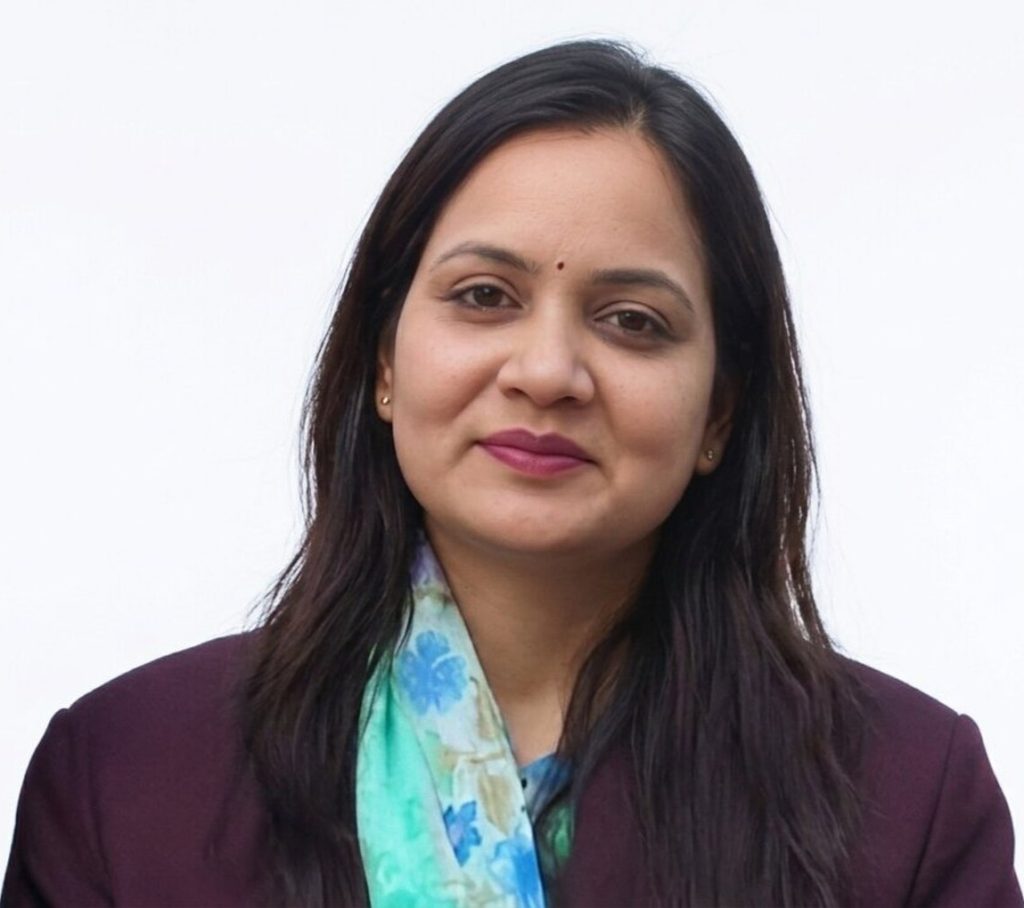
Nisha Mehta has been appointed as the minister of health and population. She completed her nursing degree at the University of Gwalior in India. She returned to Nepal and worked at Birat Teaching Hospital. Her administrative role as secretary of the Nepal Police Wives Association was instrumental in conducting health camps and programmes for women and children. As a health minister, she is focusing on accessibility, strengthening public hospitals, and addressing existing health crises.
Minister of Labour, Employment and Social Security
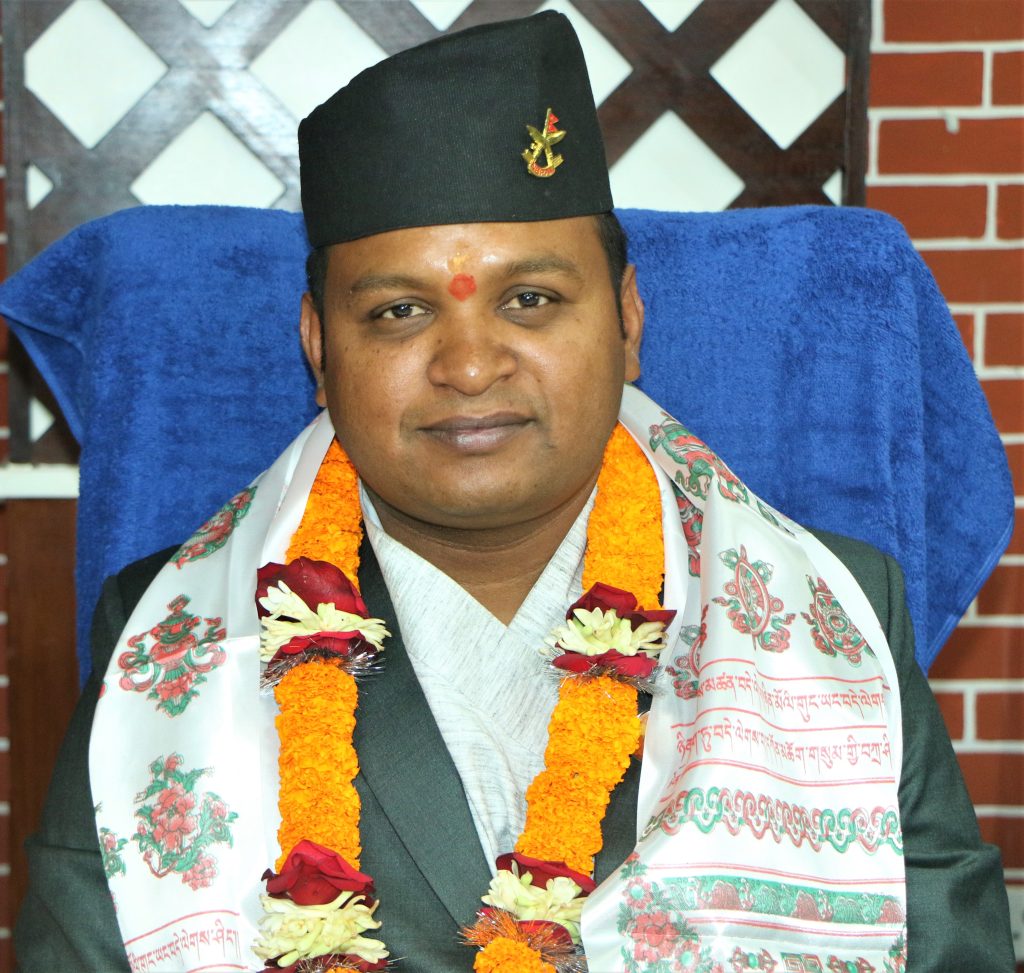
Dipak Kumar Sah has been appointed as the minister of labour, employment, and social security. He was elected MP from Mahottari-2 and was the leader of the Rastriya Swatantra Party. He is a PhD scholar at the London School of Hygiene and Tropical Medicine and completed his master’s in Health Policy and Planning & Financing from the Andon School of Economics. He also has a master’s in public health from the Institute of Medicine and an LLB from Nepal. He has worked in renowned organisations like the World Health Organisation and FHI360.
Minister for Women, Children, and Senior Citizens
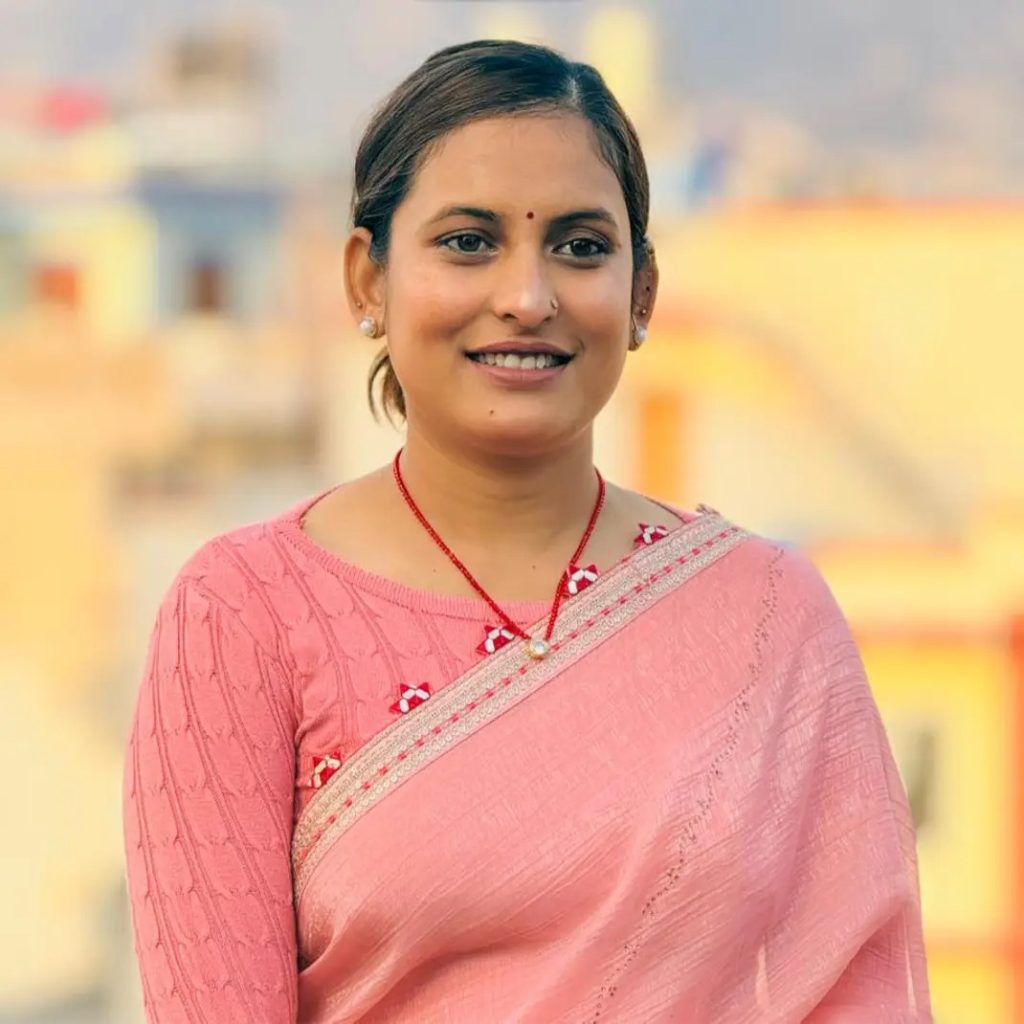
Sita Badi is the minister of women, children, and senior citizens. She is the first member of the Badi community to serve in one of the highest political positions. She completed her master’s in political science. She is an activist who is particularly active in the areas of marginalised communities and social justice. Given her oppressed historical background, her very entry into politics is symbolic. She has been an advocate and has raised issues of inequality, gender discrimination, and social exclusion. She is also a voice that has been lacking in power circles as a minister. She not only has an administrative but also a representational role in pushing policies to include those left out.
Minister of Law, Justice, and Parliamentary Affairs
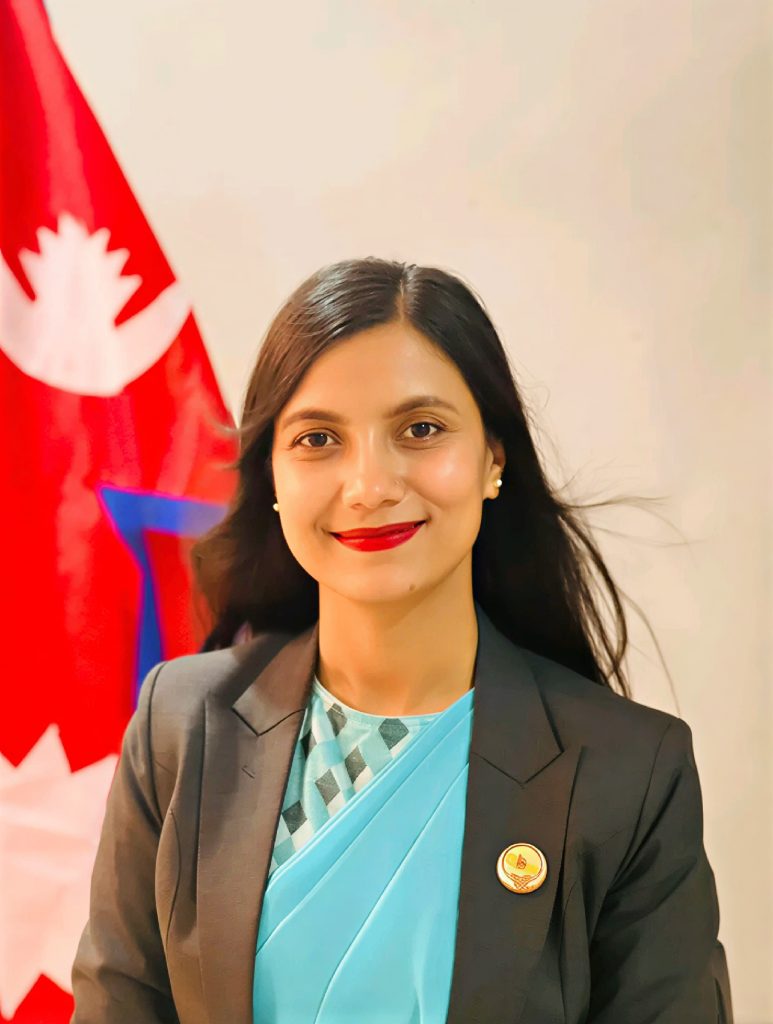
Sobita Gautan is the Minister of Law, Justice, and Parliament. She completed her BA and LLB from National College, Tribhuvan University. She had also been a member of Parliament’s Law, Justice, and Human Rights committee. During this election, she was elected as an MP from Chitwan-3, defeating former mayor of Bharatpur, Mayor Renu Dahal, with 59,277 votes.
Minister of Federal Affairs and General Administration
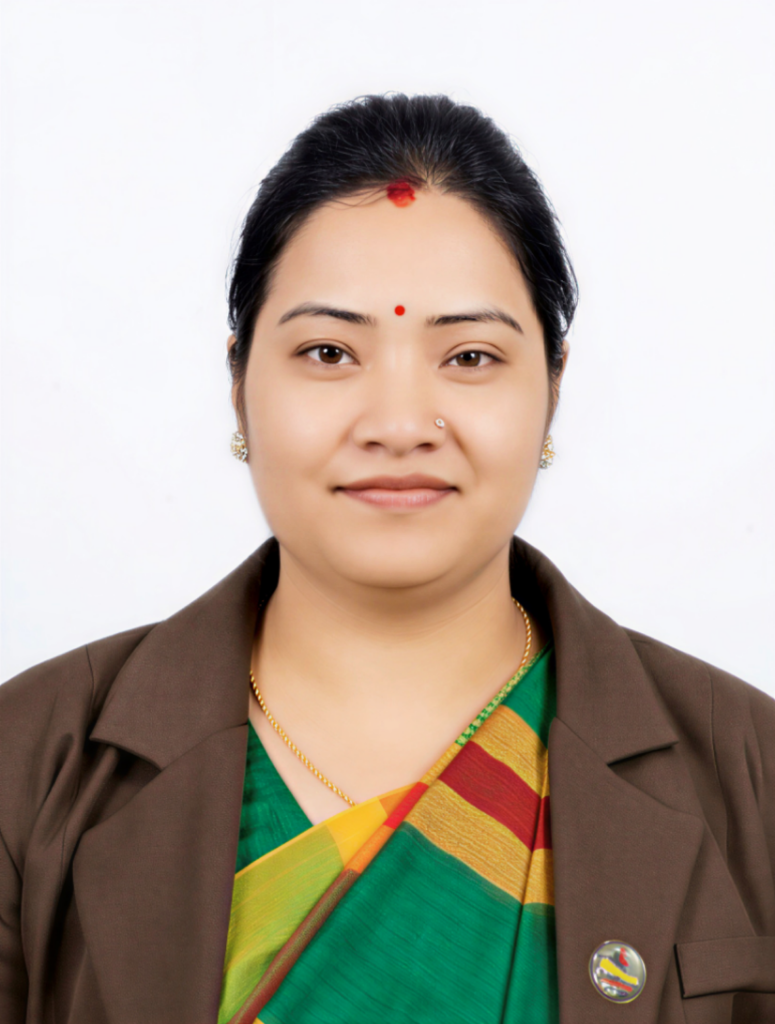
Pratibha Rawal is the minister of federal affairs and general administration. She worked as a journalist for more than a decade. Previously, she worked at South Asia Check and Republica Daily, and later reached Galaxy 4 K television. While at 4K Television, she hosted a programme called Lalmohar, in which she invited various stakeholders and policymakers to the studio to discuss public issues. Inspired by Galaxy TV chief Rabi Lamichane, she left her career in journalism, entered politics, and became an active participant shortly after RSP was formed.
Minister of Agriculture, Livestock, Forest, and Environment
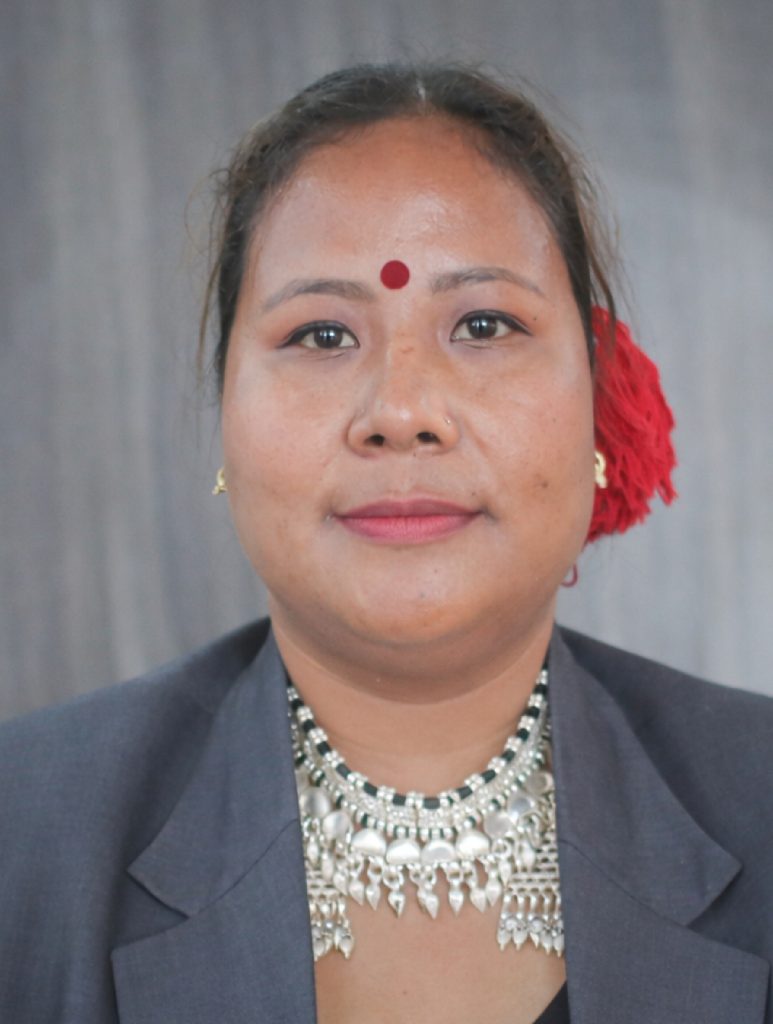
Geeta Chaudhary from Kanchanpur became the minister of agriculture, livestock, forests, and environment. She completed her master’s in law and is also known as a law expert and advocate for the underprivileged, assisting over 150 poor, Dalit, and marginalised communities. In her early political career, she was associated with the student union (ANERASWU). Later, she joined local and provincial politics and contested the 2022 election.
Minister of Information and Communication
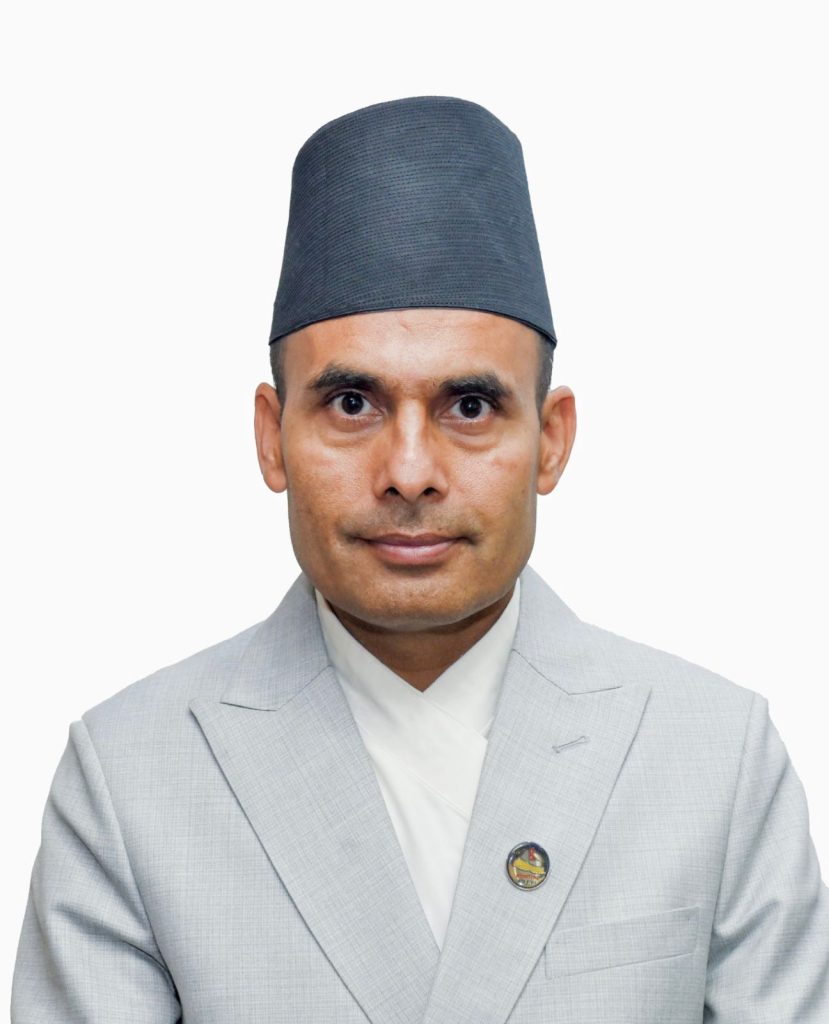
Bikram Timilsina became the minister of information & communication. He was elected MP from Nuwakot-1, defeating Congress leader Prakash Sharan Mahat with 22,609 votes. He works in the Rastriya Swatantra Party’s International Relations Department. He completed his PhD in Politics and International Relations from Griffith University, Australia; a master’s in International Relations from Queensland University; and a master’s in English from Tribhuvan University. He taught security management to armed police officers at Tribhuvan University’s National Armed Police Academy. He also worked as a journalist for Radio Sagarmatha and engaged in communications-related work.
Minister of Culture, Tourism, and Civil Aviation
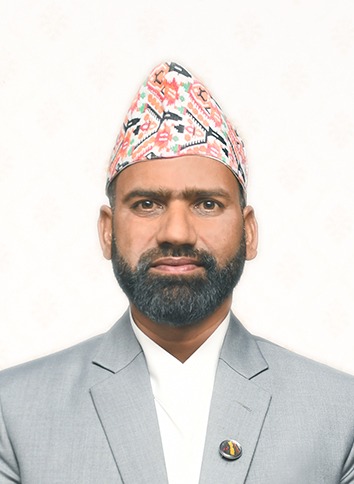
Ganesh Poudel is the minister of culture, tourism, and civil aviation. He was elected MP from Kaski-1 as a candidate of the Rastriya Swatantra Party, receiving 39,883 votes. He previously ran as an independent mayoral candidate in Pokhara in 2079. He completed his master’s in English literature from Tribhuvan University. He is also the author of two books, Paitala (novel) and Musa Manus (translation of John Steinbeck’s Of Mice and Men).