Although early April heat in the plains is expected, what feels different this year is how much the season has strayed from its natural rhythm.
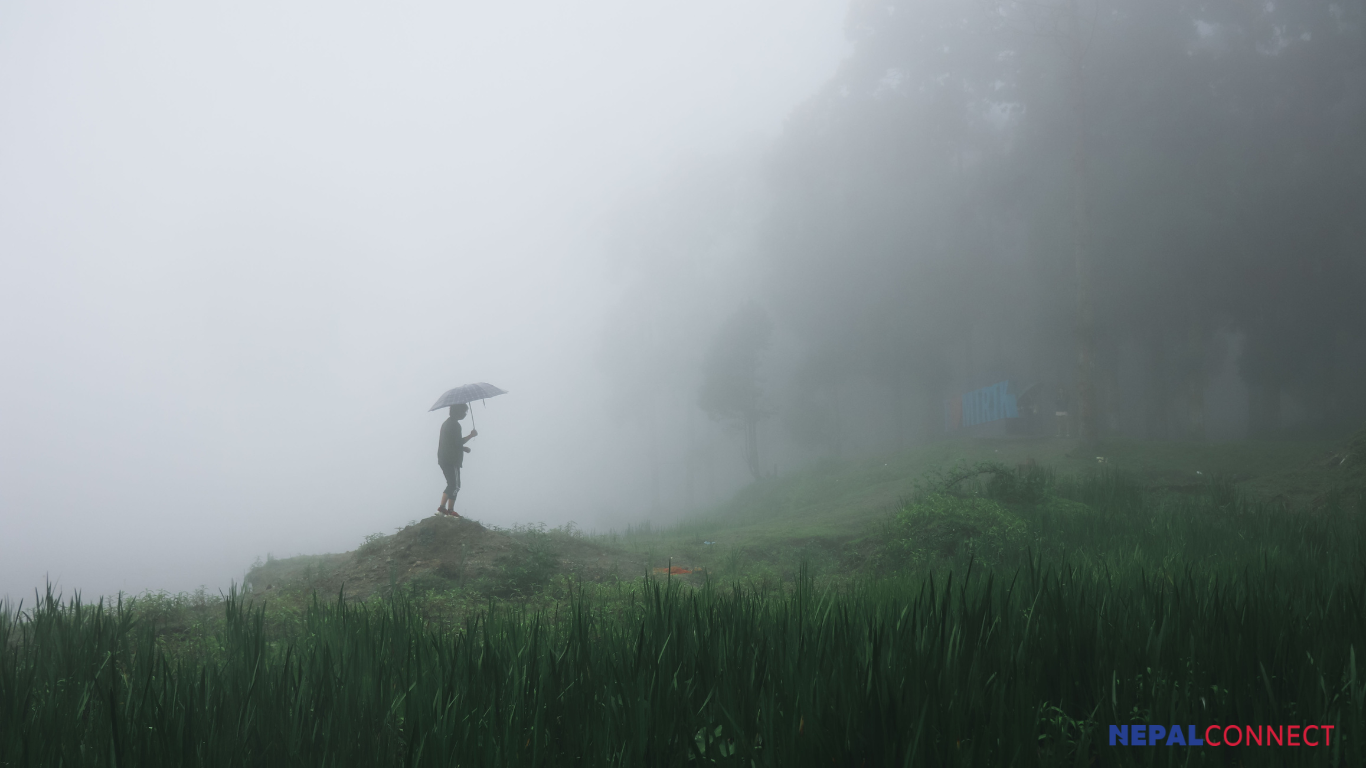
The period from February to May typically marks the pre-monsoon season, bringing around 226 mm of rainfall. But, so far, only 77.5 mm—about 35% of the expected total—has fallen, while in mid-March, parts of the country experienced exceptionally heavy rainfall, with storms causing intense downpours, lightning, and damage to crops and infrastructure. However,in the Terai and Madhesh, conditions were unusually dry—more typical of a delayed or weakened pre-monsoon. This region has experienced similar patterns over the past five years, with deficient rains and weak monsoons.
A 2025 drought study in Madhesh Province by ICIMOD reported rainfall deficits of 30–50%, reduced groundwater recharge, dried-up boreholes, and widespread water shortages.
Uneven Cycle
The concern isn’t just less rain, but also when and how it falls. Instead of steady, moderate showers, rain is becoming more concentrated—brief periods of heavy rain followed by longer dry spells. This shift, caused by rising temperatures, is making seasonal patterns more difficult to predict and less dependable.
These changes are already evident in the field. Some Madhesh farmers have postponed planting as soil moisture quickly diminishes after early rains. Some crops suffered damage from sudden downpours and hail, only to be followed by conditions that hindered recovery. This uneven cycle—excessive rain followed by relative drought—often proves challenging to manage.
The experience is not new. The 2025 drought showed how these patterns lead to real impacts. Extended dry conditions and below-average rainfall affected thousands of households, especially in Madhesh Province. Agricultural production declined in several areas, with staple crops like paddy and maize suffering losses. Water shortages became more common in both rural communities and expanding urban centres, causing many households to reduce food intake or rely on loans to manage falling yields.
The drought also intensified into a public health emergency. A lack of safe drinking water, along with extended dry periods, contributed to the rapid spread of cholera, aggravating the humanitarian crisis in Madhesh.
Forest Fires
This year’s conditions indicate a similar risk. The combination of unpredictable early rainfall and a prolonged dry spell fuels concerns about what the future holds—particularly as the country approaches the flood- and landslide-prone months. In the Terai and Madhesh, where temperatures frequently surpass 40°C during this period, the lack of rainfall allows heat to accumulate more rapidly, increasing evaporation, drying out soil, and putting additional strain on water sources.
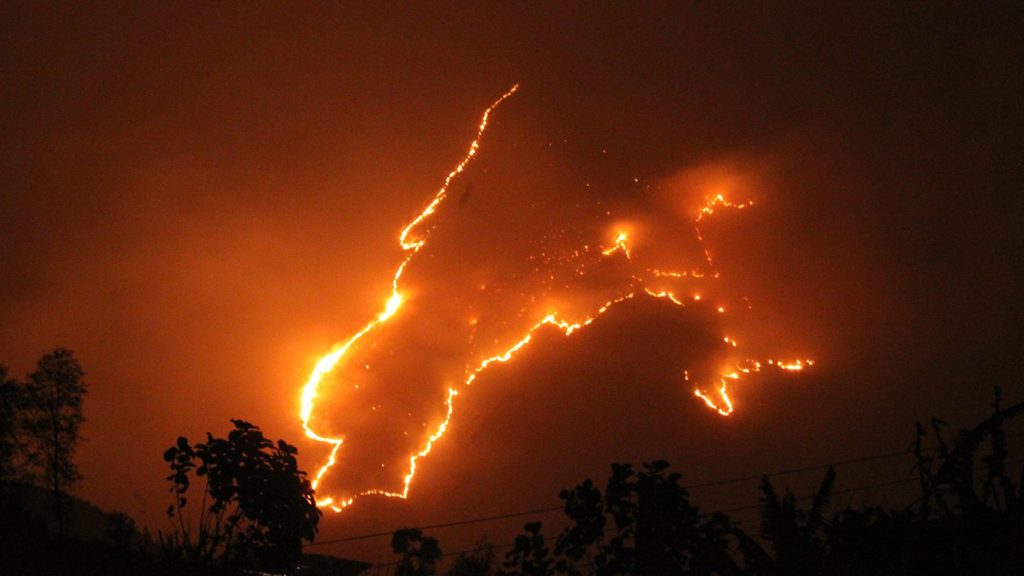
Forest fires, a common occurrence during the pre-monsoon season, have become more severe in recent years. With approximately 40% of the country covered by forests, Nepal is highly susceptible. Between 2001 and 2019, over 38,000 wildfire incidents were recorded, with numbers increasing each year. The period from mid-March to mid-July is recognised as the peak wildfire season, especially during extended dry spells.
Climate in Transition
Nepal is warming faster than the global average in many areas, especially in the mountains. This warming does not just mean higher temperatures – it is affecting the timing, intensity, and distribution of rainfall. Scientists increasingly point to a pattern of greater variability, where dry spells lengthen and rainfall becomes more severe when it occurs.
The March rains are part of this shift. Instead of indicating a healthy pre-monsoon, they show rainfall becoming concentrated into shorter, more intense events. When heavy rain falls on dry or unprepared land, much of it runs off instead of being absorbed, reducing its usefulness for agriculture and groundwater recharge while raising the risk of localized flooding.
At the same time, the pattern of sudden downpours followed by extended dry spells is likely to persist. This presents a challenging reality for planning. Farmers must contend not only with uncertainty but also with contradiction—where excessive rain and a lack of rain can occur within the same season.
The climate system is becoming increasingly unpredictable and unstable. The concern is not only about what will happen this year but also about what this pattern indicates for the near future. Seasons like this—where the rains arrive but refuse to stay—may soon become the norm.