



The political stage and the players who may perform a major role on it
Over the past fifty years, Nepal has undergone a bumpy transition from a feudal autocracy to a federal democratic republic, and we haven’t reached the end of this process. Following the promulgation of the new republican and federal constitution in 2015, new hopes emerged, centred on economic transformation, fuelled by political stability, inclusive participation, good governance, and sufficient domestic employment.
The stage was set for the three traditional parties—the Nepali Congress, the Unified Marxists-Leninists (UML), and the Maoists—to win over voters. The Nepali Congress, led by Sher Bahadur Deuba, thrived largely on its historic appeal. The Maoists, led by Pushpa Kamal Dahal ‘Prachanda’, and the UML, chaired by KP Sharma Oli, presented visionary ideas for transforming the country, some of which still feature on Nepali social media, but refrained from embedding them in a concrete political action programme.
Since then, Deuba, Prachanda and Oli have repeatedly formed coalitions that prioritised personal gain. Their tenure was marked by incidents that eroded public trust, including the Baluwatar land scam and the infamous Lalita Niwas corruption case. While portraying party independence, these leaders have played a game of musical chairs behind the scenes, sharing the spoils of power in a manner reminiscent of a cartel.
The election of rapper Balen Shah as mayor of Kathmandu in May 2022 marked a turning point in Nepali politics. In the same year, Rabi Lamichhane, a former television host, launched the Rastriya Swatantra Party (RSP), which secured 21 seats in the 275-member House of Representatives, making it the fourth-largest party.
Lamichhane went from serving as Home Minister to being embroiled in a controversy over the embezzlement of cooperative funds, spending a total of eight months in custody. He also faced a citizenship controversy. Surprisingly, Lamichhane’s popularity increased despite these controversies.
Public Dissatisfaction
Meanwhile, Balen Shah became an icon among Nepali youth. Amid feuds with the federal government, he repeatedly emphasised that being mayor was not his final goal. His popularity on social media made him appear to be someone who would oppose the establishment. His appeal was unmatched, even by Lamichhane.
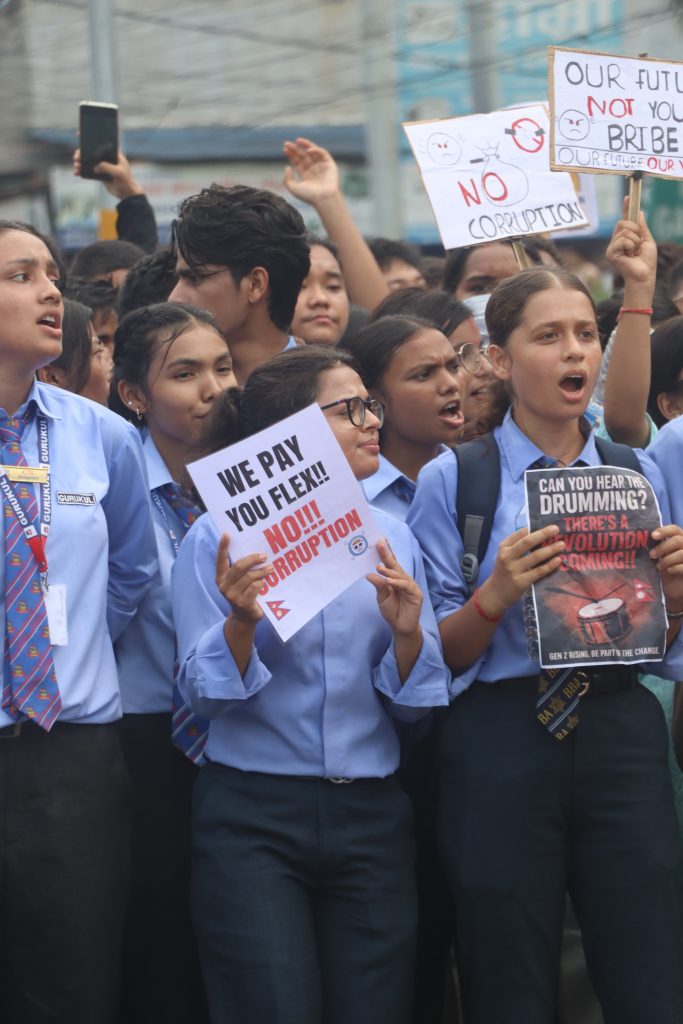
In 2022, Congress and the UML formed another coalition government, promising to amend the Constitution. In fact, nothing much happened, and public dissatisfaction began to surface online, prompting the government to suppress it by banning numerous social media platforms in August 2025. Then, the tumultuous Gen Z uprising occurred on September 8 and 9, 2025, surprising nearly everyone.
Suddenly, the chaos was complete. On the first day, over 19 mostly young protesters were killed by police gunfire. The following day saw unprecedented arson, with major public buildings, including Singha Durbar—once Asia’s largest palace—the parliament building, the presidential palace, and numerous government and police buildings across the country, being set alight.
Old feuds were settled violently, politicians were beaten up, and looting occurred without noticeable action from the police, all of which was shown on the social media that had been banned a few days earlier, until the army stepped in and restored public order in a remarkably non-violent manner. By then, the death toll had already crossed 70.
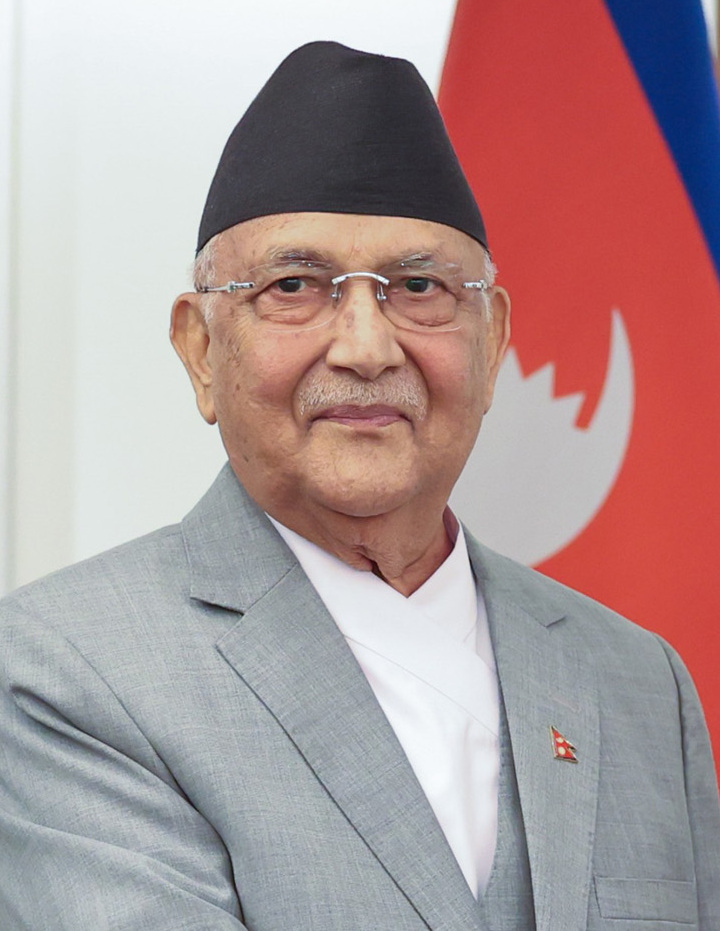
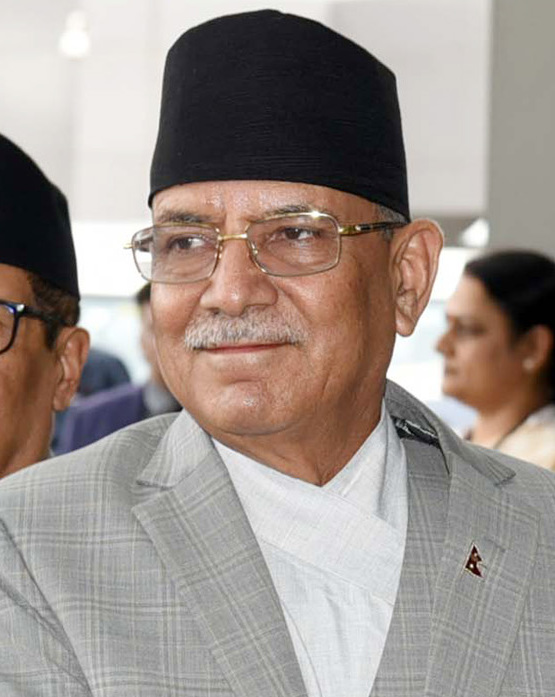
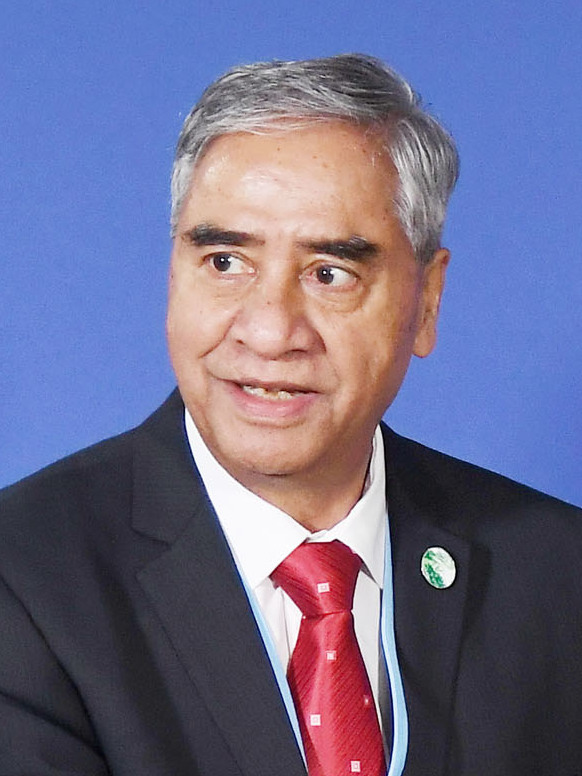
Oli had resigned as the prime minister, Deuba was hospitalised after a severe beating, and Prachanda was under the army’s protection. The old boys’ network seemed to have vanished, leaving a political vacuum that needed immediate attention. Nepal sought an interim government.
“Balen, now or never!” protesters shouted in the streets. Although Shah was the most eligible candidate for Prime Minister in Gen Z’s eyes in the aftermath of the uprising, he declined the position, leaving the situation in limbo.
Gen Z had no clear command or a shared agenda. In the heat of the moment, thirty-eight-year-old Sudan Gurung stepped forward to negotiate with the Nepali Army and the President, advocating the former Chief Justice Sushila Karki as the interim Prime Minister. She formed an interim government tasked with organising the elections scheduled for early March 2026.
A Degree of Populist Appeal
The Gen Z movement, however unpolished, sought to break the long-standing spell of corruption in Nepali politics. Yet it lacked cohesion and a unified political programme. Within the movement were pro- and anti-federalists, republicans, and monarchists—reflecting divisions like those within the broader population. Their common thread was opposition to corruption.
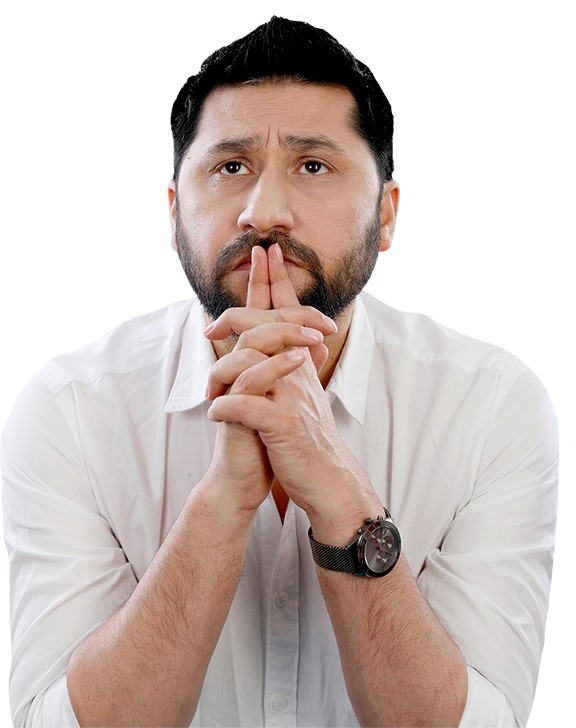
Their protest created an opportunity for a new generation to step forward and claim the open space left by the old leaders. However, no one has shown serious interest in doing so. Sudan Gurung formed a council to organise the protesters, while Miraj Dhungana, another Gen Z icon, launched a political party that will not participate in the elections. As a result, the political power of a portion of the electorate cannot be channelled through a credible, dedicated anti-corruption and pro-accountability party.
Meanwhile, Balen Shah has weighed his options and, unexpectedly, decided to enter into an agreement with Rabi Lamichhane and his RSP. Several prominent Gen Z faces joined the party alongside Shah. The deal is that Rabi remains the party chairman, while the party campaigns with Shah as the prime ministerial candidate.
The two share a degree of populist appeal. Shah charmed a large crowd with his independent stance, arguing that new politics must come from new politicians and that traditional representatives of the people have proven incompetent.
He has demonstrated the ability to deliver specific improvements in Kathmandu, the city he has governed for a few years. However, he faced criticism for his handling of the Gen Z protest and was confronted with allegations that he had incited arson.
While most Nepalis sympathise with the message that corruption must be dealt with, the majority disapprove and question the devastation that happened on the second day.
Also, Shah had no political organisation as an independent operator, which has not hurt him as a mayor, but would make a national campaign problematic.
The collaboration with Shah must also be a welcome political asset for Lamichhane, who can boast public popularity but has faced significant challenges as a politician, maintaining his credibility despite scathing media scrutiny and confrontations with established authorities.
Moreover, Lamichhane is still facing charges of embezzling the funds of numerous cooperatives, and Shah may face doubts about his role as an RSP frontman, given his criticism of the party. So, their pact may work or backfire.
Whether the party secures enough seats for Balen to become Prime Minister, however, remains uncertain. Identity sentiments may help them, as Shah and Lamichhane come from the Madhesi and the Khas-Arya communities. Additionally, the RSP is consolidating its influence among Tharu leaders.
The former Managing Director (MD) of the Nepal Electricity Authority (NEA), Kulman Ghising, had formed his own Ujyalo Nepal Party (Brighter Nepal Party), which merged with the RSP, only to break away 12 days later. The party is now expected to face the election on its own.
The reassembled RSP is expected to perform well in the elections. But it would be too far-fetched to assume they would secure a comfortable majority, given that the three old parties still have functional grassroots institutions and that a proportion of Gen Z is highly critical of their newfound love for questionable and elitist politicians.
Aggressive Disinformation
It seemed as if everything was over for the three leaders of the former political establishment. Many of their party cadres quickly left their parties, burnt their party flags, and declared ‘independence’ on social media.
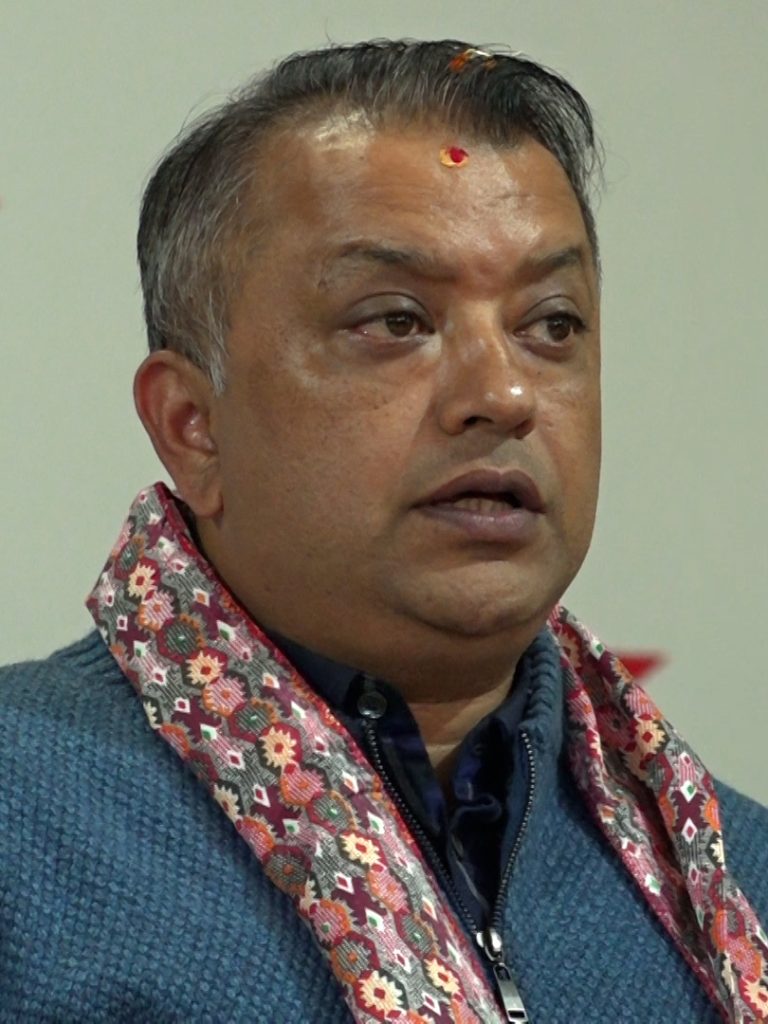
However, there are signs of recovery for all three parties. KP Oli was re-elected as UML chairman for a third term. Prachanda has united with Madhav Kumar Nepal of the CPN (Unified Socialists)—a faction that split from the UML. Nepali Congress has reshuffled its leadership with Gagan Thapa, former general secretary, as the new president. Deuba remains influential despite losing his position in the party. The state of the old parties seems to be better than it was in the immediate aftermath of the Gen Z uprising.
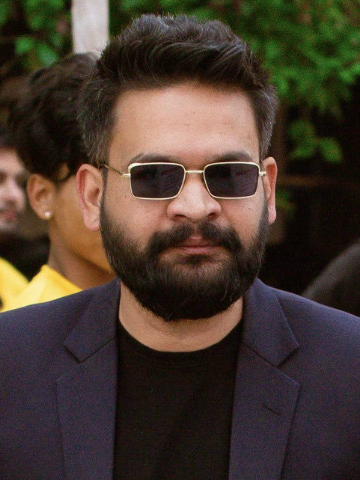
The monarchists remain an unstable factor. PM Sushila Karki believes that Durga Prasai, a fervent royalist, could disrupt the elections to further destabilise the political scene. But that seems like mission impossible.
The most uncertain factor in the upcoming elections is the influx of more than 800,000 newly registered voters, mostly young people who haven’t previously voted.
All voters, young and old, must decide which leader appears best able to steer politics towards greater credibility while paving the way for economic innovation.
Misinformation and disinformation have been the modus operandi of modern Nepali politics. With an increasing number of internet and social media users, aggressive disinformation wars between the old and new camps can be expected on the eve of the elections. With no immediate solution in sight, this phenomenon will only exacerbate unrest.
The questions of corruption, impunity, and the country’s economic reliance on foreign employment remain unanswered. While an election may bring some peace to the country at this time, it’s too early to expect significant reforms.


Thanks for your article. Just one little note: what happened on September 9th had nothing to do with the honest protesters of generation Z. Just like in many countries, including in The Netherlands, when honest protesters walk through the streets, some violent rioters will infiltrate with just one goal: destruction and creating chaos. I was in Kathmandu that day and we were all very involved in the situation and saw how the Generation Z protesters withdrew that day and also called others on social media to make a step backwards, what they indeed did. The next day, September 10, after the army had taken over, indeed in a non-violent way, the Gen Z protesters went back into the streets to clean the mess. It is a pity and a shame when these young protesters are blamed for what was done by these – maybe even organised – rioters.