
“You are what you eat.” This saying perfectly captures the essence of Nepali cuisine, a blend of sweetness, saltiness, tanginess, and the warmth of home. The heart of Nepali gastronomy lies in its diverse yet harmonious flavors that reflect the country’s cultural richness.
Bibek Sharma, 23, recalls packing his suitcase with the homely flavor of Waiwai instant noodles while traveling to Vietnam for a volunteer exchange program. He admitted that Vietnamese food didn’t suit his taste buds due to the heavy use of soy sauce — a reminder of how deeply food is tied to familiarity and comfort.
Nepali cuisine is a unique blend of Chinese, Tibetan, and Indian influences, making it a true potpourri of flavors and textures. The holy trinity of Nepali meals — Dal (lentil soup), Bhat (steamed rice), and Tarkari (vegetable curry), often accompanied by meat — forms the daily staple for most Nepalis. Yet, this is only the beginning of a rich culinary journey that includes dishes like momos (dumplings) and countless local specialties made with fresh, locally sourced ingredients.
A menu to Nepali Khaja
Beyond main meals, Nepali snacks or Khaja extend this culinary culture. Eaten between meals, Khaja represents the warmth and hospitality of Nepali people. Street food is not merely a quick bite but a cultural experience that ties communities together through shared flavors.
While Dal Bhat often takes center stage, Nepali snacks remain an underrated treasure. Locals know how to savor them quietly, especially in Kathmandu, where the fusion of Newari, Tibetan, and Indian influences makes the Khaja experience truly adventurous.
Chatpatey and Panipuri
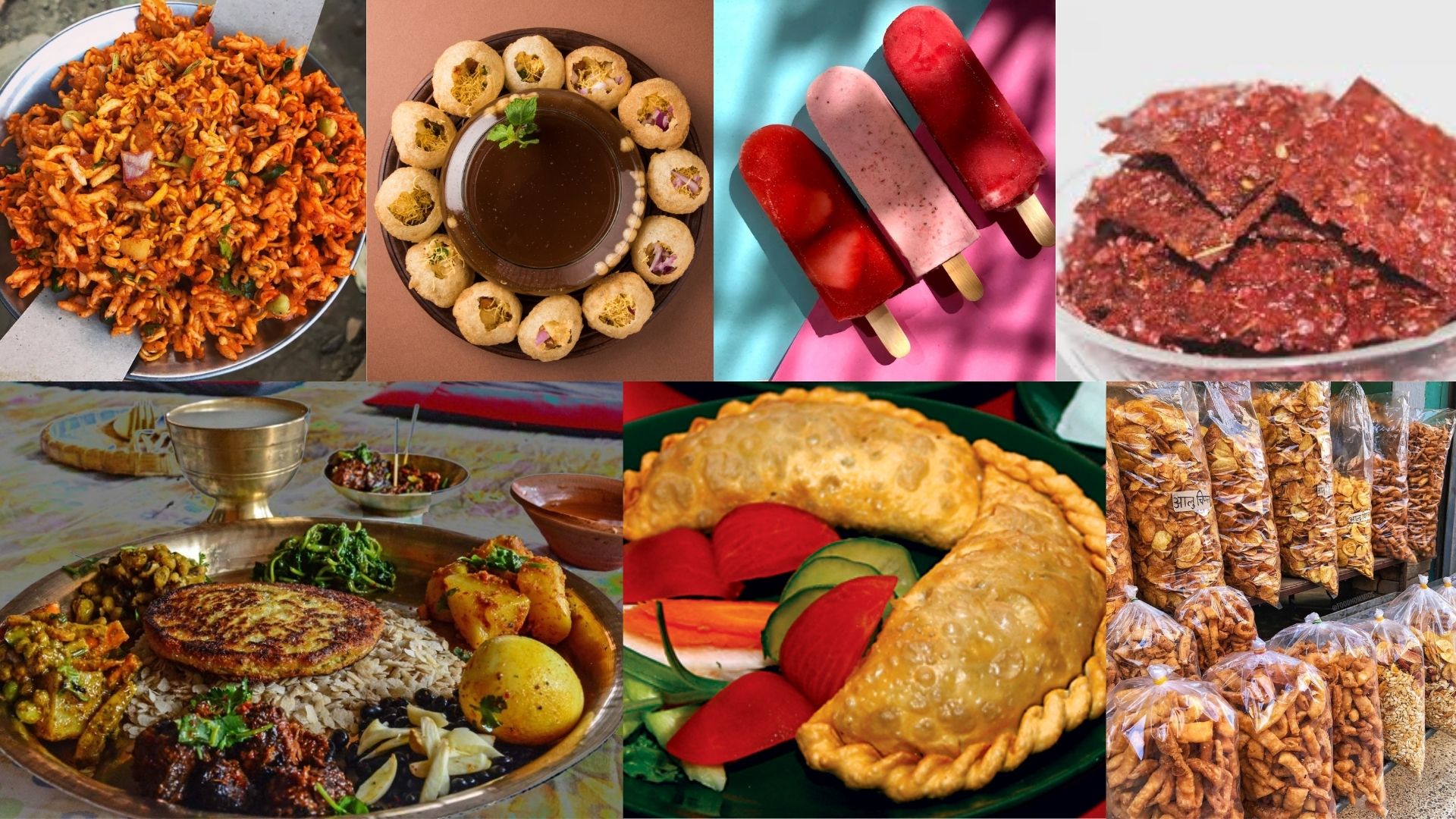
The narrow gallis (alleys) of Nepal are filled with stalls offering Chatpatey — a beloved snack that satisfies every craving. This mix of puffed rice, vegetables, spices, and Waiwai noodles bursts with flavor in every bite. Panipuri, originally from India, has also become a staple of Kathmandu’s street food scene.
These stalls are more than just food stops; they are vibrant social spaces where people gather, talk, and share laughter. Chatpatey allows each person to customize their snack — adding more spice, tang, or crunch — turning each serving into a personal culinary experience. Panipuri, with its crisp shells filled with tangy tamarind water, spicy mashed potatoes, and chickpeas, offers a thrilling explosion of flavor that transcends cultural boundaries.
Baraf
During hot summer days, baraf (ice pops) offers sweet relief from the heat. Sold in local kirana pasals (grocery stores) across neighborhoods, these frozen treats come in flavors for every mood — tangy pau/titaura baraf for a zesty kick or creamy khuwa baraf for a rich delight.
Children and adults alike can be seen enjoying baraf on street corners, a simple pleasure of Nepali summers. The frozen treat continues to evolve, with businesses like Sweetfix — known for its tagline “not an average pop!” — reinventing the baraf experience through creative flavors and artisanal popsicles.
Pau / Titaura
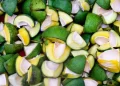
The magic of Pau or Titaura lies in its sweet, sour, and spicy mix. Made from fruits like mango, lapsi (Nepali hog plum), and tamarind, the fruit is dried and mixed with sugar, salt, and spices to create chewy, flavorful snacks. Available in every corner store and street stall, Pau/Titaura comes in a variety of shapes and textures, each offering a distinct taste. Its bright colours and tangy aroma make it irresistible to locals and visitors alike.
Newari Khaja
Newari Khaja offers a delicious glimpse into the culinary traditions of the Newar community, known for their bold flavors and intricate recipes.
A festive favorite, Yomari — a steamed rice flour dumpling filled with sweetened sesame seeds, khoya (reduced milk), or chaku (molasses) — symbolizes prosperity and good fortune. Another classic is Bara, a savory lentil pancake often served with Aloo Tama (spicy potato curry), offering a delightful balance of crispiness and softness.
Choila, a spicy marinated meat dish, is another staple — usually made with buffalo or chicken and served with beaten rice (chiura). Chatamari, often called the “Nepali pizza,” is a thin rice flour crepe topped with meat, eggs, and vegetables. Dishes like Haku Choila, with its smoky and spicy buffalo meat seasoned in mustard oil, showcase the depth of Newari flavors.
Tibetan-Influenced Khaja
Nepali Khaja also reflects Tibetan influences, adding diversity to the country’s foodscape. Laphing, a cold mung bean noodle dish seasoned with chili, garlic, and soy sauce, is a street food sensation known for its bold and spicy taste.
Keema Noodles combine minced meat with noodles in an aromatic, hearty dish, while Shya phaley — deep-fried dough stuffed with spiced meat or vegetables — delivers a satisfying crunch. Similarly, Thukpa, a warm noodle soup with meat and vegetables, is a comforting staple during winter. And Chhurpi, the traditional dried cheese snack, adds a chewy contrast to the Nepali-Tibetan palette.
Nepali Chips
The alleys of Basantapur and Patan offer a local twist on potato chips, made with salt, chili, and various spices. Among the most famous is Pimbahal Chips Corner in Lalitpur, which has been running for over two decades. Its founder, Damodar Shrestha, has built a loyal following with unique handmade chips in flavors like pineapple, banana, cheese, spicy chili, and mango — a blend of creativity and nostalgia that keeps customers coming back.
Khaja is not just food — it’s a cultural experience. Whether it’s street vendors serving spicy Chatpatey or families sharing Yomari during festivals, Khaja brings people together. Each snack tells a story of tradition, innovation, and community, reminding us that Nepali cuisine is more than a meal—it’s a celebration of connection and heritage.
Sudipa Mahato is a junior editor with Nepal Connect.