


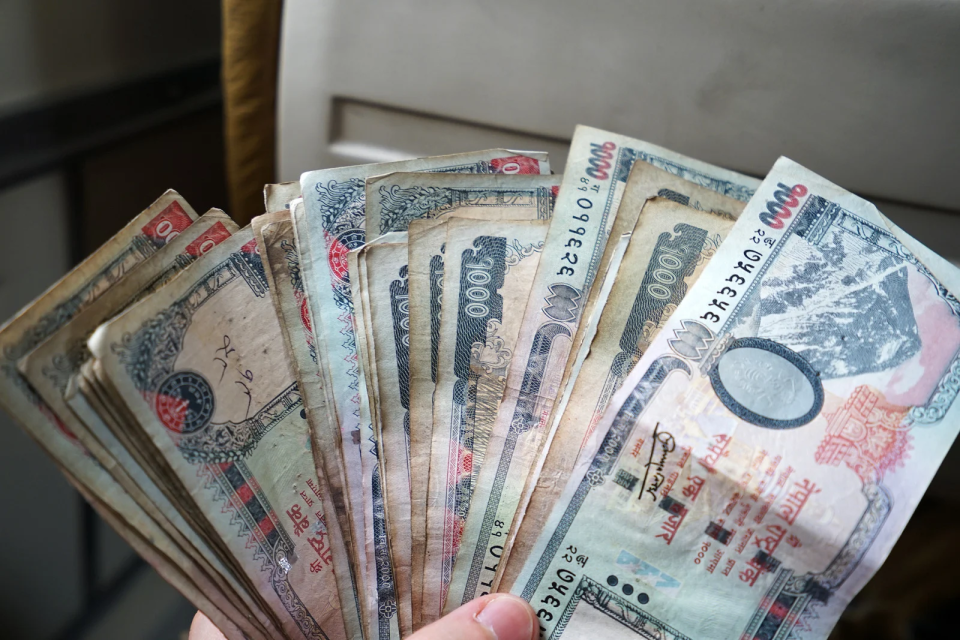


Nepal is set to introduce a major financial rule that bans cash transactions of NPR 500,000 (USD 3,476) or more, marking one of the country’s strongest moves toward transparency and digital payments. The decision, made by the Council of Ministers at Singha Durbar, takes effect on January 1 and will be strictly enforced from January 15.
The new rule requires high-value transactions to go through formal banking channels. That includes payments made by bank transfer, cheque, Real–Time Gross Settlement (RTGS), Interbank Payment System (IPS), mobile banking, or other digital systems approved by Nepal Rastra Bank (NRB). The government says the aim is to create a more transparent, modern, and secure financial environment.
Officials say the policy will help control illegal activities. Large cash payments have long been linked to tax evasion, money laundering, and undocumented business practices. The process to ensure transactions through banks, authorities expect better revenue tracking, easier monitoring of suspicious activities, and more reliable financial records.
The restriction applies to all sectors—individuals, businesses, institutions, and service providers. Property buyers and sellers will see one of the biggest changes, as land transactions usually involve high amounts. Traders, manufacturers, construction companies, and professionals who handle large bills will also need to switch to formal payment methods. However, the public doing everyday transactions will not be affected.
NRB and the Ministry of Finance will work with banks, business groups, and digital payment companies to help people adjust. Awareness campaigns will explain what counts as a cash transaction, what is allowed, and which payment methods are acceptable.
To follow the rule, payments above NPR 500,000 (USD 3,476) must be made through bank transfers, cheques, digital platforms, or—for larger business dealings—letters of credit or bank guarantees. Those who ignore the rule may face fines, audits, or even legal action. Businesses could also risk account freezes or licensing issues.