
Celebrated every year around mid-January, Maghe Sankranti, also known as Maghi or Khichara depending on the community and region, marks the moment when the sun begins its northward journey.
Maghe Sankranti comes instead with foggy mornings, the smell of wood smoke, and kitchens busy with boiling yams and simmering ghee. Unlike festivals that burst with colour and noise, this one feels grounded. It is about warmth in the middle of winter, food that sticks to the ribs, and meaningful resets of time, labour, and social ties.
Rooted in Nepal’s agrarian past, when survival depended on reading the seasons correctly, astronomically, the festival marks the transition of the sun into the zodiac sign of Capricorn (Makar), signalling longer days ahead. In practical terms, it tells farming communities that the harshest part of winter is loosening its grip.
Long before printed calendars and mobile alerts, this solar movement mattered. It shaped planting cycles, grazing patterns, and rituals of rest. In many hill and Tarai communities, Maghe Sankranti traditionally marked the end of an agricultural year. Labour contracts ended, debts were reviewed, and new arrangements were made. The festival functioned not just as a religious date but as a social checkpoint.
Calling it simply “Maghe Sankranti” misses the diversity of how the day is lived across Nepal.
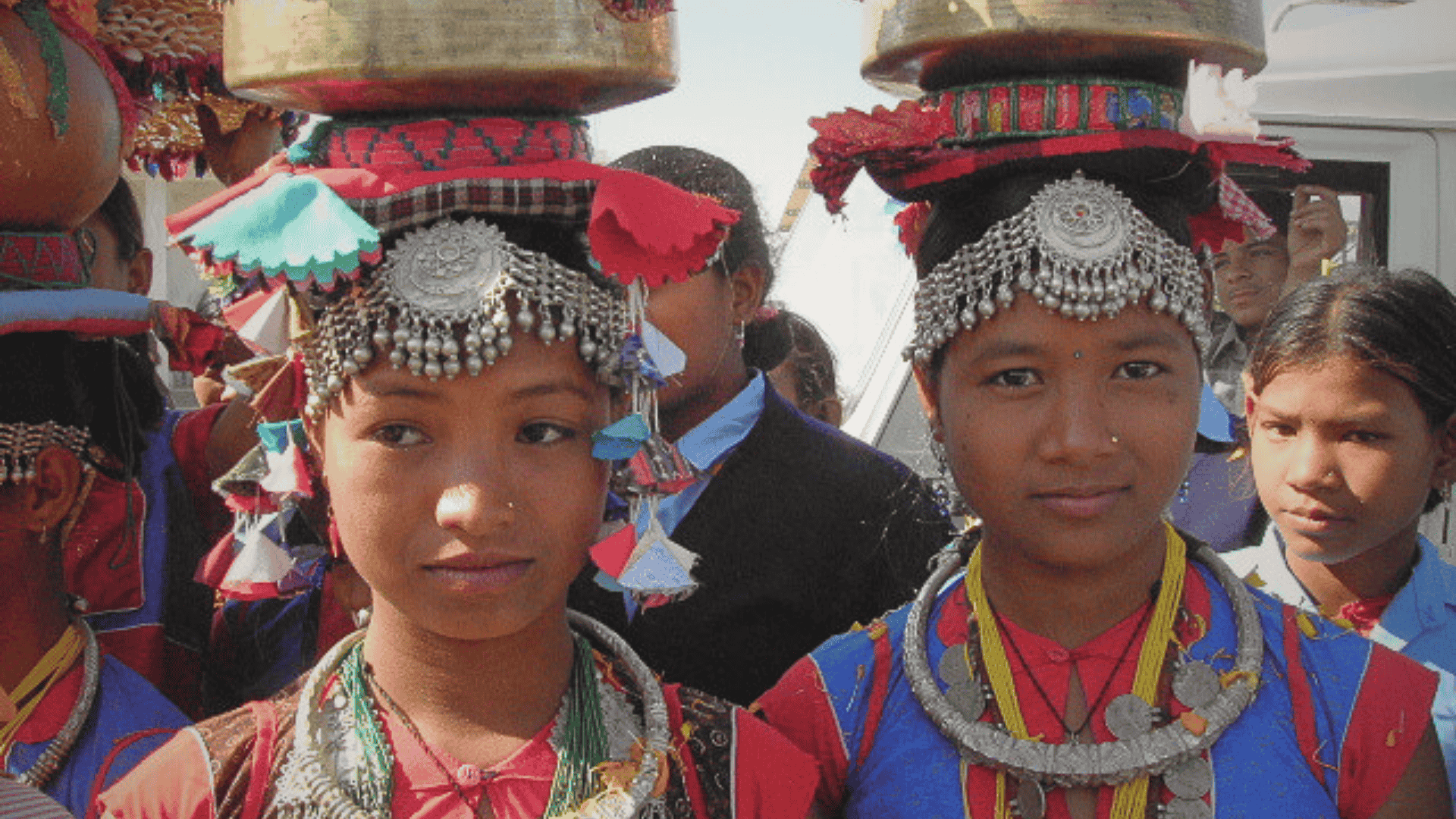
For the Tharu community of the western Tarai, the festival is Maghi, and it is one of the most important days of the year. Maghi marks their New Year. Families gather, elders settle disputes, and communities choose new leaders such as the badghar or mahatawa. It is also a time when bonded labour systems like kamaiya historically ended, giving the day a strong association with freedom and renewal.
For many Tharu families, Maghi is still a time of cultural assertion, with dances, community feasts, and public discussions about rights and history. In this sense, the festival continues to evolve, carrying contemporary meanings alongside older ones.
In the eastern hills and among several other communities, the day is linked with Khichara, named after khichadi or similar mixed-grain foods eaten for strength and balance. Among Gurung, Magar, Rai, and Limbu communities, Maghe Sankranti carries its own local customs—some tied to ancestor worship, others to communal feasts or river rituals.
What connects all these versions is not a single script but a shared understanding: this is a turning point.
If Dashain is about abundance and Tihar about aesthetics, Maghe Sankranti is about function. The foods eaten on this day are chosen carefully and for practical reasons.
Sesame seeds (til), molasses (chaku), clarified butter (ghee), yam (tarul), sweet potatoes, and pulses dominate the menu. These are warming foods, believed to strengthen the body against cold and illness. Even today, elders will remind younger family members that what you eat on Maghe Sankranti is meant to “carry you through the winter.”
In many homes, the kitchen becomes the centre of the celebration. There are no elaborate decorations, but there is effort—grating, roasting, stirring. Food is shared with neighbours and relatives, reinforcing bonds without ceremony.
Certain places take on special significance during Maghe Sankranti. River confluences draw devotees who believe that bathing on this day cleanses both body and spirit.
Devghat, at the meeting point of the Kali Gandaki and Trishuli rivers, sees thousands of visitors every year. Elderly pilgrims arrive wrapped in shawls, some staying for days, others for the rest of their lives. Similar gatherings happen at Sankhamul and Shalinadi in the Kathmandu Valley and at rivers across the Tarai and hills.
These are not loud pilgrimages. People line up quietly, step into icy water, offer prayers, and move on. The mood is reflective, almost restrained.
What makes Maghe Sankranti distinct in Nepal is its lack of performance. There is no single national way to celebrate it, and no pressure to do so publicly. It survives because it fits into daily life, not because it demands attention.
In rural areas, it is still a day when families reunite after months of scattered labour. In cities, it has adapted—reduced sometimes to a meal of chaku bought from a shop or a brief visit to a nearby river. Even so, the core idea remains intact.
Maghe Sankranti does not compete for attention in the nation’s crowded festival calendar. It doesn’t need to. Its strength lies in repetition and restraint. Every year, without fail, it arrives at the same cold point in January, reminding people that change does not always announce itself loudly.
Despite migration, climate change, and economic pressures challenging traditions, Maghe Sankranti persists due to its continued relevance. It feeds people, structures time, and creates space for reflection. That may be why, even in a modern, hurried Nepal, the festival continues—quietly, stubbornly, and on its own terms.
Sudipa Mahato is a junior editor with Nepal Connect.