



Ahead of the elections on March 5, Nepali Congress–the largest party in the dissolved House of Representatives–is on the verge of a split. This week, the Special General Convention was organised by the two General Secretaries of the party, Gagan Kumar Thapa and Bishwa Prakash Sharma, to choose a new party leadership, while the establishment faction led by former Prime Minister Sher Bahadur Deuba has disowned the convention.
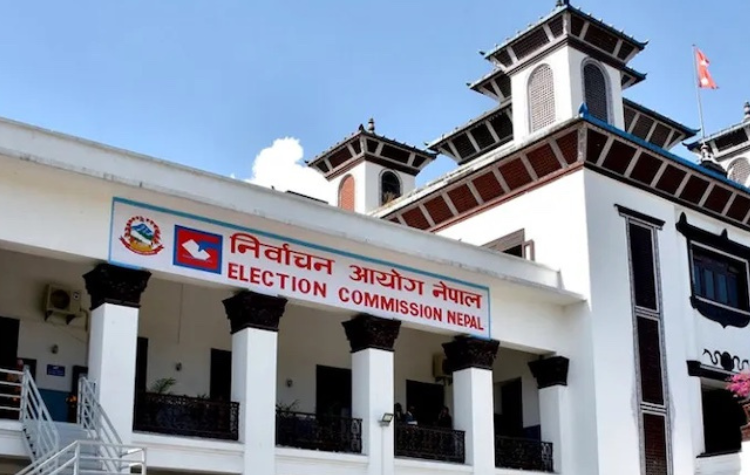
Both factions have approached the Election Commission, claiming to be the authentic party. After the Special Convention chose Gagan Kumar Thapa as the new party President, the elected committee presented itself before the Commission, claiming a leadership change. The establishment faction, however, has told the Commission that about 800 of the convention representatives who had earlier signed for the Special Convention withdrew their signatures. The party constitution requires the signature of at least 40 per cent convention representatives to call for a Special Convention.
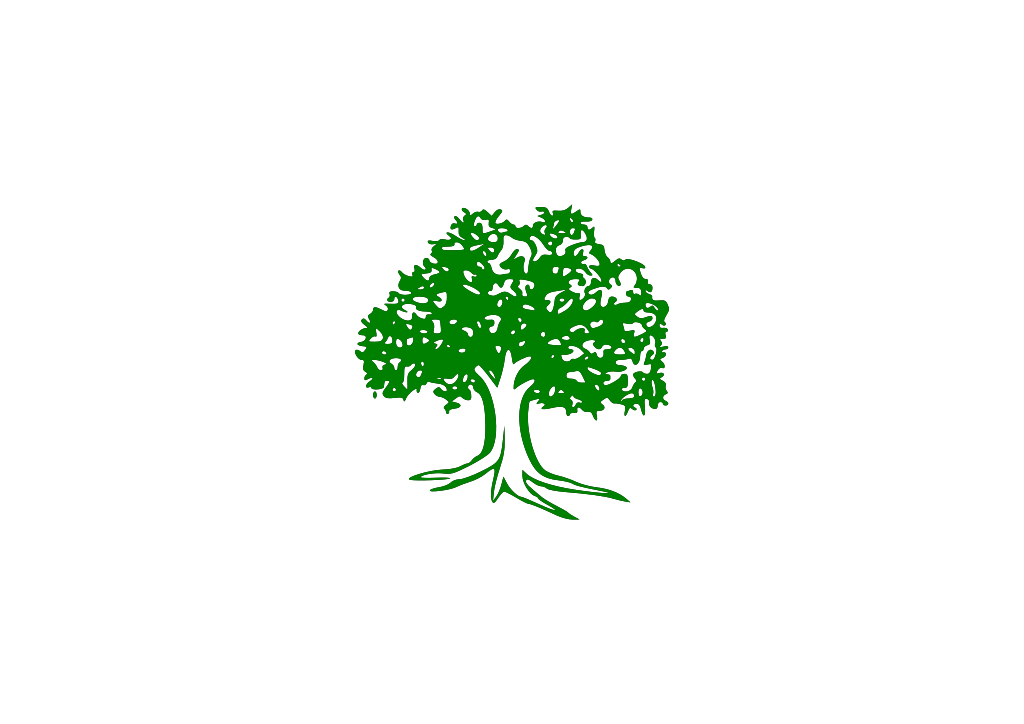
On the eve of the elections, both factions are concerned about becoming the authentic Nepali Congress, primarily to claim the party’s popular election symbol–the tree. The Election Commission has received documents supporting claims from both sides. The Commission is expected to announce the authenticity in a few days to allow allocation of candidacies before January 20.
Although Thapa had long presented himself as the contestant for the party presidency, the latest rift began after a violent protest in September. Thapa and his faction assessed the protest and associated violence as a frustration directed towards the stagnant leadership in Nepal’s parties, including their own. While the Thapa faction campaigned for a Special General Convention, the party central committee, dominated by Deuba, slated a date for the regular General Convention after the March elections. The Thapa faction opposed the party’s decision to go to the elections with Deuba as the President, initiating the process for the General Convention.

